
150 YEARS AGO THIS WEEK 22 - 28 DECEMBER 1875
This week's many stories include Beauty and the Beast at the Theatre Royal, criticism of the town's new motto, the harsh punishment for the theft of a pinafore, the wicked stepmother who battered two small boys, the fowl deed at Rainhill Asylum, the wife beater who signed the pledge, the man who kicked the wife of a beerhouse keeper in Pocket Nook and the seller of pianofortes and harmoniums on the three-year system.
There were never many Christmas events during the 1870s but there was always great interest in the annual shoot that took place on the St Helens Junction rifle range. The St Helens army reserve – known as the 47th battalion of the Lancashire Rifle Volunteers – would compete for over 200 prizes. These awards were mainly items of food but in 1868 the Liverpool Mercury described a "live donkey of the shaggy species" as one of them.
On the 23rd of this week there was a large attendance in the Volunteer Hall when 242 prizes – consisting of turkeys, geese, joints of meat, rabbits, hares, ham etc. – were doled out to the town's best sharpshooter soldiers. This year's unusual prize was a load of coal, although the five winners were given vouchers and did not have to carry any bags home with them.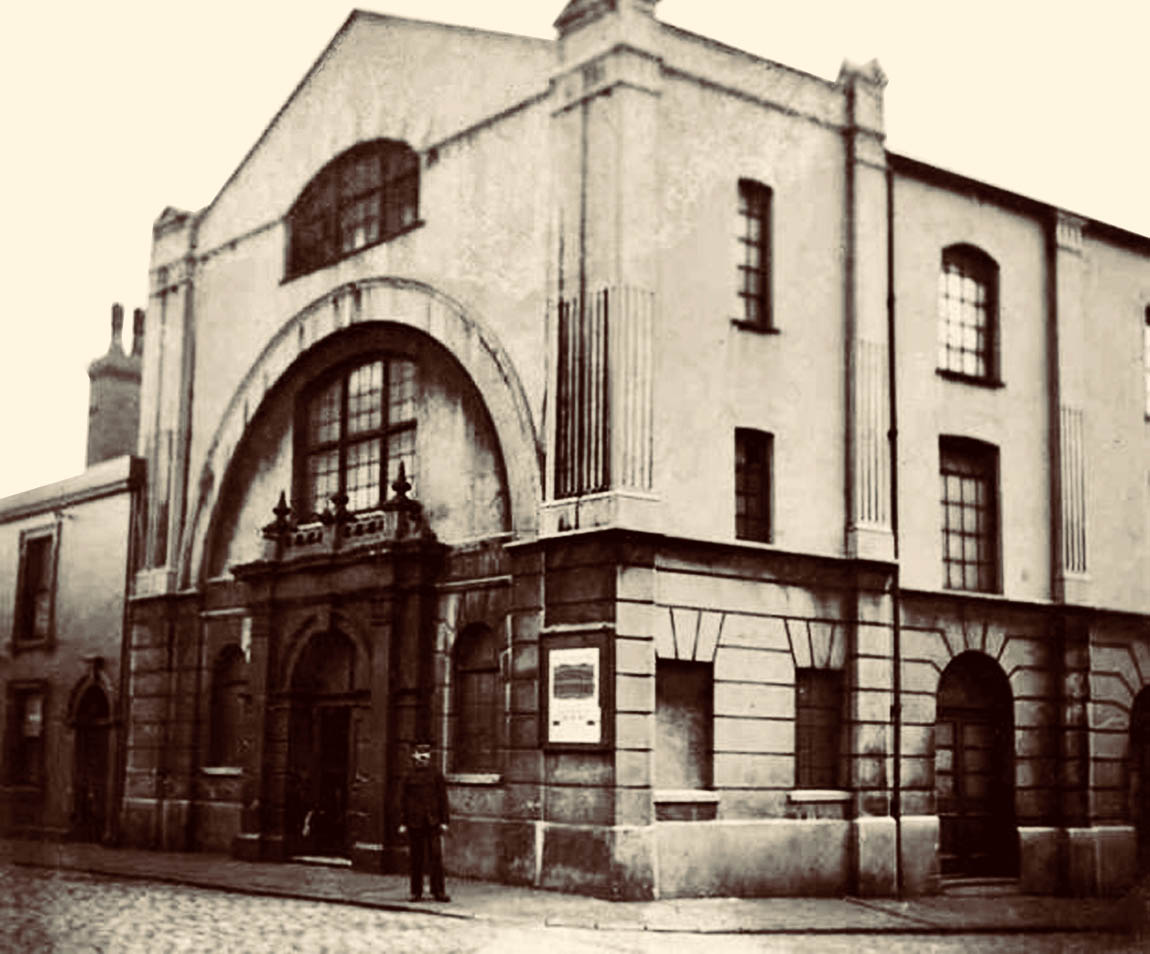 From Christmas Eve, "The grand comic pantomime, Beauty and the Beast", was presented in the building we know today as The Citadel – although then it was the Theatre Royal. The St Helens Newspaper in its review wrote:
"The story of “Beauty and the Beast” as revealed in the plot is in keeping with the old nursery legend of the same name, but with it is interwoven the usual demons and fairies of pantomime, whose sayings and doings tend very much to thicken the plot, and enhance the interest of the story. For the present production there have been sixteen new scenes specially painted, of which twelve belong to the opening, and the remainder to the harlequinade.
"…The dialogue is sparkling and lively, and the general interest in the piece is not allowed to flag in the least, whilst the humour with which it is pervaded is enhanced with being interspersed by numerous songs and dances. Amongst the most interesting of the latter is the performance of a Morris and maypole dance by a number of children, in the most creditable manner. The production is in every respect a great success."
Last week St Helens councillors approved the borough's first coat of arms. But the town's proposed motto, 'Adjurante Deolabore Proficimus' (meaning "with the assistance of God, we have prospered by labour") did no go down quite so well. And so Richard Pilkington suggested 'Ex Terra Lucem' (meaning "from the earth light") instead.
But writing in an editorial on the 24th, the St Helens Newspaper was unimpressed with that as an alternative, accusing the council of "dabbling in lame Latin mottoes". The paper was particularly concerned about the interpretation of Ex Terra Lucem, writing:
"It would appear that the majority of the members, whilst talking and voting about light, fulfilled in their own persons the words of Job: ‘They shall grope in the dark, and not in the light’. Should the motto Ex terra lucem ever be allowed to figure on the arms of our Borough, we fear much that those who pass by the way will wag their heads, and conclude that if our lucem be no brighter or clearer than our Latin, our lucem is of a dim and dubious character."
There was another example of the harsh treatment of petty thieves this week when Bernard Garrity appeared in the St Helens Petty Sessions. He was accused of stealing a child's pinafore from a beerhouse in Sandfield Crescent in Greenbank. Garrity had taken the clothing off the parlour mantelpiece and then gone into another pub called the Norton Arms in East Street where he asked the barmaid to give him a pint of beer in exchange for the pinafore.
But suspecting that it had been stolen, the woman snatched the pinny from his hand and informed the police. The man had already been in a police cell for a couple of days prior to his court appearance and the magistrates further remanded him in custody to be tried at the next quarter sessions in Liverpool. There, despite the pinafore only being valued at 9d, Garrity, who had previously been convicted of similar petty thefts, was sentenced to two months in prison.
I often write that in the 1870s longer sentences were routinely imposed for petty theft than for violence. As a general rule, a violent act led to just a fine but for stealing an item of clothing that might only cost pennies or a couple of shillings, almost invariably a custodial sentence was imposed. But there were, of course, exceptions. Severe violence, particularly against the police, women or children, could lead to prison.
Grace Taylor appeared in court this week accused of assaulting her stepsons, Samuel and Robert Taylor, who were six and five, respectively. Superintendent James Ludlam, who was in charge of St Helens Police, stated that on September 25th the two boys had been brought to him covered with bruises all over their bodies. One was also bleeding from his ears. A Mrs Cutting from Duke Street told the court that she had first learned about the condition of the children after her daughter had gone into their house to wash them.
When Mrs Cutting saw the battered state of the boys, she took them into her own house and said she had kept them there ever since. A warrant was taken out against Grace Taylor who immediately absconded but PC Archer had arrested her last weekend in York Street in St Helens. The woman was sent to prison for "two months in each case", which, presumably, meant four months imprisonment in total.
Another case of severe violence had occurred in a beerhouse in Pocket Nook for which John Rattigan appeared in court. The magistrates were told that the defendant had entered the beerhouse on a Saturday night and claimed he had paid for a bottle of cider and demanded his drink. Michael McNamara kept the house but it had been his wife Mary who had refused to give Rattigan a free drink.
That infuriated the man and he began to abuse the woman. Attracted by the noise, Michael McNamara entered the bar and Rattigan threw a glass at his head which cut him. Mrs McNamara then went to the door of the beerhouse and began shouting for a policeman. That caused Rattigan to knock her down and kick her three times, for which Mrs McNamara said she had suffered for some time afterwards. The magistrates said they considered it to have been a very bad case and sent Rattigan to prison for two months.
It took great courage for a wife to prosecute her husband for beating her up. Many women thought it counter-productive, as it could make life even more difficult for them. Any financial penalty was likely to come out of her household cash and a husband enraged at the prosecution could prove even more brutal. But some husbands were only violent when drunk and could be remorseful in the cold light of day.
Amelia Atherton clearly thought that the solution to her problems was to get her spouse off booze. This week Amelia summoned her husband William to court, explaining to the magistrates that when he had been drinking she had to leave their home to escape his violence. On a recent occasion when William had come home drunk, she had dashed to a neighbour's house but her husband had followed her.
There, the man grabbed Amelia by the hair of her head and then struck her. She briefly escaped from him but he went after her again and grabbed her by an arm. William wrenched it round so violently that she said she had not been able to use the arm for three or four days. However, Amelia told the magistrates that she did not wish to press the case if her husband would sign the pledge.
That William promised to do but the magistrates also bound him over to keep the peace for six months. Of course, there's no way we can know if William kept his word. But the 1881 census shows that the couple were still together living in Traverse Street in Parr with six children.
Every Christmas within the St Helens district there was an increase in thefts of geese and turkeys, for obvious reasons. This week George Thompson and James Bailey were charged in the Petty Sessions with stealing two geese, five turkeys and three fowls from Rainhill Asylum. The problem with making such thefts in the dead of night was that the thieves had to get their birds back home while avoiding the policemen that were making their rounds.
Even if they killed the birds first, they were still left with bulging sacks that were likely to attract the attention of the police. George Thompson and James Bailey had done the deed at Rainhill Asylum at 1:30 am and while walking with their birds in the direction of Rainhill, they were spotted by PC Jones. One of the men ran away at the sight of the bobby but the other claimed that they had bought the poultry in St Helens. However, PC Jones found that the dead birds were still warm and in court the pair were committed to take their trial at the next Kirkdale Quarter Sessions where they were both sentenced to 6 months.
The terms "hire purchase" or buying on "credit" were many years away. But some people still bought expensive items by making weekly payments but such arrangements tended to be referred to as being on the two-year or three-year "system". In this week's Newspaper, Thomas Henty – who had what he called his Music Warehouse in Hamer Street – was advertising his pianofortes and harmoniums on the "three years' system". Henty said he had "pianofortes in great variety by the best London and Paris makers".
John Francis had a tailor and draper's shop in Ormskirk Street and he was advertising his "fashionable winter clothing". As well as overcoats from two guineas and "fancy vestings", Francis was advertising "trouserings" which included tweeds and doeskins.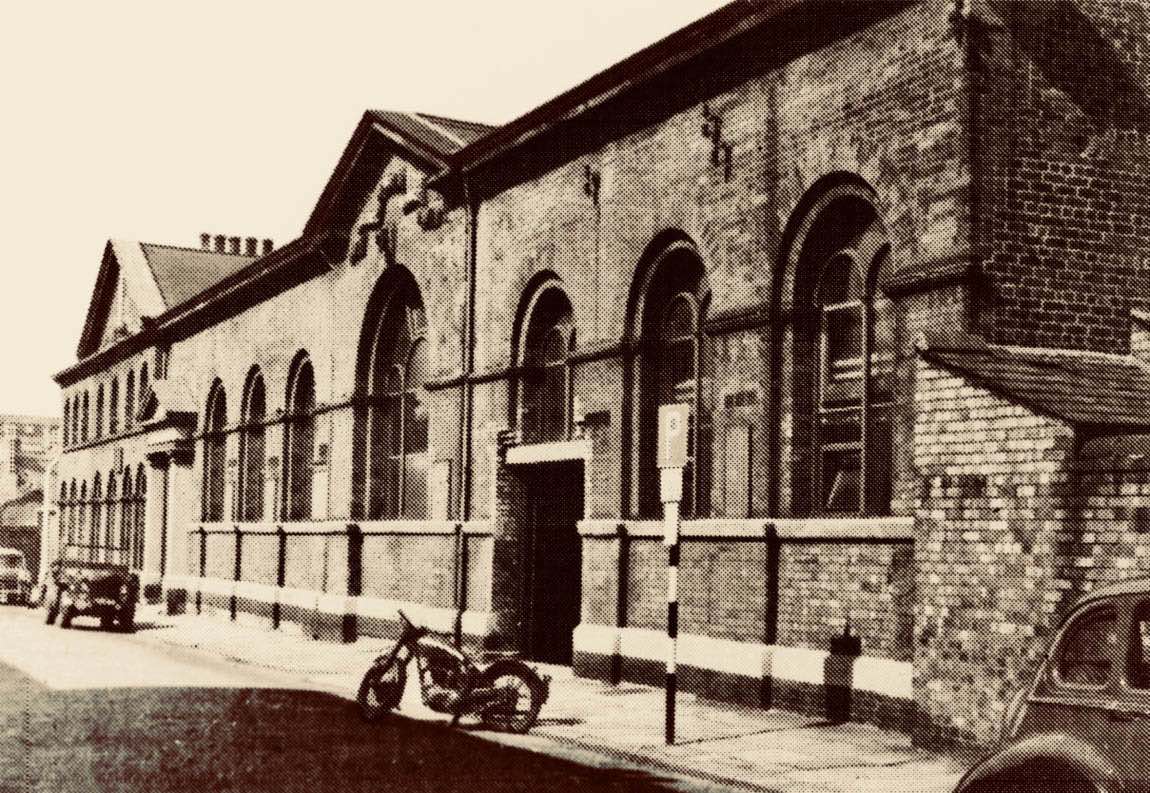 And finally, from December 27th in the Volunteer Hall in Mill Street (pictured above in later years), De Vola's Varieties was presented for six nights. The company's adverts said they had actors, singers, dancers, gymnasts and clowns performing in their variety show. And the St Helens Newspaper in its review said their performances on the flying trapeze were "truly marvellous".
St Helens Newspaper courtesy St Helens Archive Service at Eccleston Library
Next Week's stories will include the Dark Lane shop in Parr with dodgy weights, the Druids Arms beerhouse's two court cases, the aged poor hand-outs in Lea Green and the violent assault on a mother-in-law in a former Baldwin Street workhouse.
There were never many Christmas events during the 1870s but there was always great interest in the annual shoot that took place on the St Helens Junction rifle range. The St Helens army reserve – known as the 47th battalion of the Lancashire Rifle Volunteers – would compete for over 200 prizes. These awards were mainly items of food but in 1868 the Liverpool Mercury described a "live donkey of the shaggy species" as one of them.
On the 23rd of this week there was a large attendance in the Volunteer Hall when 242 prizes – consisting of turkeys, geese, joints of meat, rabbits, hares, ham etc. – were doled out to the town's best sharpshooter soldiers. This year's unusual prize was a load of coal, although the five winners were given vouchers and did not have to carry any bags home with them.
"The story of “Beauty and the Beast” as revealed in the plot is in keeping with the old nursery legend of the same name, but with it is interwoven the usual demons and fairies of pantomime, whose sayings and doings tend very much to thicken the plot, and enhance the interest of the story. For the present production there have been sixteen new scenes specially painted, of which twelve belong to the opening, and the remainder to the harlequinade.
"…The dialogue is sparkling and lively, and the general interest in the piece is not allowed to flag in the least, whilst the humour with which it is pervaded is enhanced with being interspersed by numerous songs and dances. Amongst the most interesting of the latter is the performance of a Morris and maypole dance by a number of children, in the most creditable manner. The production is in every respect a great success."
Last week St Helens councillors approved the borough's first coat of arms. But the town's proposed motto, 'Adjurante Deolabore Proficimus' (meaning "with the assistance of God, we have prospered by labour") did no go down quite so well. And so Richard Pilkington suggested 'Ex Terra Lucem' (meaning "from the earth light") instead.
But writing in an editorial on the 24th, the St Helens Newspaper was unimpressed with that as an alternative, accusing the council of "dabbling in lame Latin mottoes". The paper was particularly concerned about the interpretation of Ex Terra Lucem, writing:
"It would appear that the majority of the members, whilst talking and voting about light, fulfilled in their own persons the words of Job: ‘They shall grope in the dark, and not in the light’. Should the motto Ex terra lucem ever be allowed to figure on the arms of our Borough, we fear much that those who pass by the way will wag their heads, and conclude that if our lucem be no brighter or clearer than our Latin, our lucem is of a dim and dubious character."
There was another example of the harsh treatment of petty thieves this week when Bernard Garrity appeared in the St Helens Petty Sessions. He was accused of stealing a child's pinafore from a beerhouse in Sandfield Crescent in Greenbank. Garrity had taken the clothing off the parlour mantelpiece and then gone into another pub called the Norton Arms in East Street where he asked the barmaid to give him a pint of beer in exchange for the pinafore.
But suspecting that it had been stolen, the woman snatched the pinny from his hand and informed the police. The man had already been in a police cell for a couple of days prior to his court appearance and the magistrates further remanded him in custody to be tried at the next quarter sessions in Liverpool. There, despite the pinafore only being valued at 9d, Garrity, who had previously been convicted of similar petty thefts, was sentenced to two months in prison.
I often write that in the 1870s longer sentences were routinely imposed for petty theft than for violence. As a general rule, a violent act led to just a fine but for stealing an item of clothing that might only cost pennies or a couple of shillings, almost invariably a custodial sentence was imposed. But there were, of course, exceptions. Severe violence, particularly against the police, women or children, could lead to prison.
Grace Taylor appeared in court this week accused of assaulting her stepsons, Samuel and Robert Taylor, who were six and five, respectively. Superintendent James Ludlam, who was in charge of St Helens Police, stated that on September 25th the two boys had been brought to him covered with bruises all over their bodies. One was also bleeding from his ears. A Mrs Cutting from Duke Street told the court that she had first learned about the condition of the children after her daughter had gone into their house to wash them.
When Mrs Cutting saw the battered state of the boys, she took them into her own house and said she had kept them there ever since. A warrant was taken out against Grace Taylor who immediately absconded but PC Archer had arrested her last weekend in York Street in St Helens. The woman was sent to prison for "two months in each case", which, presumably, meant four months imprisonment in total.
Another case of severe violence had occurred in a beerhouse in Pocket Nook for which John Rattigan appeared in court. The magistrates were told that the defendant had entered the beerhouse on a Saturday night and claimed he had paid for a bottle of cider and demanded his drink. Michael McNamara kept the house but it had been his wife Mary who had refused to give Rattigan a free drink.
That infuriated the man and he began to abuse the woman. Attracted by the noise, Michael McNamara entered the bar and Rattigan threw a glass at his head which cut him. Mrs McNamara then went to the door of the beerhouse and began shouting for a policeman. That caused Rattigan to knock her down and kick her three times, for which Mrs McNamara said she had suffered for some time afterwards. The magistrates said they considered it to have been a very bad case and sent Rattigan to prison for two months.
It took great courage for a wife to prosecute her husband for beating her up. Many women thought it counter-productive, as it could make life even more difficult for them. Any financial penalty was likely to come out of her household cash and a husband enraged at the prosecution could prove even more brutal. But some husbands were only violent when drunk and could be remorseful in the cold light of day.
Amelia Atherton clearly thought that the solution to her problems was to get her spouse off booze. This week Amelia summoned her husband William to court, explaining to the magistrates that when he had been drinking she had to leave their home to escape his violence. On a recent occasion when William had come home drunk, she had dashed to a neighbour's house but her husband had followed her.
There, the man grabbed Amelia by the hair of her head and then struck her. She briefly escaped from him but he went after her again and grabbed her by an arm. William wrenched it round so violently that she said she had not been able to use the arm for three or four days. However, Amelia told the magistrates that she did not wish to press the case if her husband would sign the pledge.
That William promised to do but the magistrates also bound him over to keep the peace for six months. Of course, there's no way we can know if William kept his word. But the 1881 census shows that the couple were still together living in Traverse Street in Parr with six children.
Every Christmas within the St Helens district there was an increase in thefts of geese and turkeys, for obvious reasons. This week George Thompson and James Bailey were charged in the Petty Sessions with stealing two geese, five turkeys and three fowls from Rainhill Asylum. The problem with making such thefts in the dead of night was that the thieves had to get their birds back home while avoiding the policemen that were making their rounds.
Even if they killed the birds first, they were still left with bulging sacks that were likely to attract the attention of the police. George Thompson and James Bailey had done the deed at Rainhill Asylum at 1:30 am and while walking with their birds in the direction of Rainhill, they were spotted by PC Jones. One of the men ran away at the sight of the bobby but the other claimed that they had bought the poultry in St Helens. However, PC Jones found that the dead birds were still warm and in court the pair were committed to take their trial at the next Kirkdale Quarter Sessions where they were both sentenced to 6 months.
The terms "hire purchase" or buying on "credit" were many years away. But some people still bought expensive items by making weekly payments but such arrangements tended to be referred to as being on the two-year or three-year "system". In this week's Newspaper, Thomas Henty – who had what he called his Music Warehouse in Hamer Street – was advertising his pianofortes and harmoniums on the "three years' system". Henty said he had "pianofortes in great variety by the best London and Paris makers".
John Francis had a tailor and draper's shop in Ormskirk Street and he was advertising his "fashionable winter clothing". As well as overcoats from two guineas and "fancy vestings", Francis was advertising "trouserings" which included tweeds and doeskins.
St Helens Newspaper courtesy St Helens Archive Service at Eccleston Library
Next Week's stories will include the Dark Lane shop in Parr with dodgy weights, the Druids Arms beerhouse's two court cases, the aged poor hand-outs in Lea Green and the violent assault on a mother-in-law in a former Baldwin Street workhouse.
This week's many stories include Beauty and the Beast at the Theatre Royal, criticism of the town's new motto, the harsh punishment for the theft of a pinafore, the wicked stepmother who battered two small boys, the fowl deed at Rainhill Asylum, the wife beater who signed the pledge, the man who kicked the wife of a beerhouse keeper in Pocket Nook and the seller of pianofortes and harmoniums on the three-year system.
There were never many Christmas events during the 1870s but there was always great interest in the annual shoot that took place on the St Helens Junction rifle range.
The St Helens army reserve – known as the 47th battalion of the Lancashire Rifle Volunteers – would compete for over 200 prizes.
These awards were mainly items of food but in 1868 the Liverpool Mercury described a "live donkey of the shaggy species" as one of them.
On the 23rd of this week there was a large attendance in the Volunteer Hall when 242 prizes – consisting of turkeys, geese, joints of meat, rabbits, hares, ham etc. – were doled out to the town's best sharpshooter soldiers.
This year's unusual prize was a load of coal, although the five winners were given vouchers and did not have to carry any bags home with them.
From Christmas Eve, "The grand comic pantomime, Beauty and the Beast", was presented in the building we know today as The Citadel – although then it was the Theatre Royal. The St Helens Newspaper in its review wrote:
"The story of “Beauty and the Beast” as revealed in the plot is in keeping with the old nursery legend of the same name, but with it is interwoven the usual demons and fairies of pantomime, whose sayings and doings tend very much to thicken the plot, and enhance the interest of the story.
"For the present production there have been sixteen new scenes specially painted, of which twelve belong to the opening, and the remainder to the harlequinade.
"…The dialogue is sparkling and lively, and the general interest in the piece is not allowed to flag in the least, whilst the humour with which it is pervaded is enhanced with being interspersed by numerous songs and dances.
"Amongst the most interesting of the latter is the performance of a Morris and maypole dance by a number of children, in the most creditable manner. The production is in every respect a great success."
Last week St Helens councillors approved the borough's first coat of arms. But the town's proposed motto, 'Adjurante Deolabore Proficimus' (meaning "with the assistance of God, we have prospered by labour") did no go down quite so well.
And so Richard Pilkington suggested 'Ex Terra Lucem' (meaning "from the earth light") instead.
But writing in an editorial on the 24th, the St Helens Newspaper was unimpressed with that as an alternative, accusing the council of "dabbling in lame Latin mottoes".
The paper was particularly concerned about the interpretation of Ex Terra Lucem, writing:
"It would appear that the majority of the members, whilst talking and voting about light, fulfilled in their own persons the words of Job: ‘They shall grope in the dark, and not in the light’.
"Should the motto Ex terra lucem ever be allowed to figure on the arms of our Borough, we fear much that those who pass by the way will wag their heads, and conclude that if our lucem be no brighter or clearer than our Latin, our lucem is of a dim and dubious character."
There was another example of the harsh treatment of petty thieves this week when Bernard Garrity appeared in the St Helens Petty Sessions.
He was accused of stealing a child's pinafore from a beerhouse in Sandfield Crescent in Greenbank.
Garrity had taken the clothing off the parlour mantelpiece and then gone into another pub called the Norton Arms in East Street where he asked the barmaid to give him a pint of beer in exchange for the pinafore.
But suspecting that it had been stolen, the woman snatched the pinny from his hand and informed the police.
The man had already been in a police cell for a couple of days prior to his court appearance and the magistrates further remanded him in custody to be tried at the next quarter sessions in Liverpool.
There, despite the pinafore only being valued at 9d, Garrity, who had previously been convicted of similar petty thefts, was sentenced to two months in prison.
I often write that in the 1870s longer sentences were routinely imposed for petty theft than for violence.
As a general rule, a violent act led to just a fine but for stealing an item of clothing that might only cost pennies or a couple of shillings, almost invariably a custodial sentence was imposed.
But there were, of course, exceptions. Severe violence, particularly against the police, women or children, could lead to prison.
Grace Taylor appeared in court this week accused of assaulting her stepsons, Samuel and Robert Taylor, who were six and five, respectively.
Superintendent James Ludlam, who was in charge of St Helens Police, stated that on September 25th the two boys had been brought to him covered with bruises all over their bodies. One was also bleeding from his ears.
A Mrs Cutting from Duke Street told the court that she had first learned about the condition of the children after her daughter had gone into their house to wash them.
When Mrs Cutting saw the battered state of the boys, she took them into her own house and said she had kept them there ever since.
A warrant was taken out against Grace Taylor who immediately absconded but PC Archer had arrested her last weekend in York Street in St Helens.
The woman was sent to prison for "two months in each case", which, presumably, meant four months imprisonment in total.
Another case of severe violence had occurred in a beerhouse in Pocket Nook for which John Rattigan appeared in court.
The magistrates were told that the defendant had entered the beerhouse on a Saturday night and claimed he had paid for a bottle of cider and demanded his drink.
Michael McNamara kept the house but it had been his wife Mary who had refused to give Rattigan a free drink.
That infuriated the man and he began to abuse the woman. Attracted by the noise, Michael McNamara entered the bar and Rattigan threw a glass at his head which cut him.
Mrs McNamara then went to the door of the beerhouse and began shouting for a policeman.
That caused Rattigan to knock her down and kick her three times, for which Mrs McNamara said she had suffered for some time afterwards.
The magistrates said they considered it to have been a very bad case and sent Rattigan to prison for two months.
It took great courage for a wife to prosecute her husband for beating her up.
Many women thought it counter-productive, as it could make life even more difficult for them.
Any financial penalty was likely to come out of her household cash and a husband enraged at the prosecution could prove even more brutal.
But some husbands were only violent when drunk and could be remorseful in the cold light of day.
Amelia Atherton clearly thought that the solution to her problems was to get her spouse off booze.
This week Amelia summoned her husband William to court, explaining to the magistrates that when he had been drinking she had to leave their home to escape his violence.
On a recent occasion when William had come home drunk, she had dashed to a neighbour's house but her husband had followed her.
There, the man grabbed Amelia by the hair of her head and then struck her. She briefly escaped from him but he went after her again and grabbed her by an arm.
William wrenched it round so violently that she said she had not been able to use the arm for three or four days.
However, Amelia told the magistrates that she did not wish to press the case if her husband would sign the pledge.
That William promised to do but the magistrates also bound him over to keep the peace for six months.
Of course, there's no way we can know if William kept his word. But the 1881 census shows that the couple were still together living in Traverse Street in Parr with six children.
Every Christmas within the St Helens district there was an increase in thefts of geese and turkeys, for obvious reasons.
This week George Thompson and James Bailey were charged in the Petty Sessions with stealing two geese, five turkeys and three fowls from Rainhill Asylum.
The problem with making such thefts in the dead of night was that the thieves had to get their birds back home while avoiding the policemen that were making their rounds.
Even if they killed the birds first, they were still left with bulging sacks that were likely to attract the attention of the police.
George Thompson and James Bailey had done the deed at Rainhill Asylum at 1:30 am and while walking with their birds in the direction of Rainhill, they were spotted by PC Jones.
One of the men ran away at the sight of the bobby but the other claimed that they had bought the poultry in St Helens.
However, PC Jones found that the dead birds were still warm and in court the pair were committed to take their trial at the next Kirkdale Quarter Sessions where they were both sentenced to 6 months.
The terms "hire purchase" or buying on "credit" were many years away.
But some people still bought expensive items by making weekly payments but such arrangements tended to be referred to as being on the two-year or three-year "system".
In this week's Newspaper, Thomas Henty – who had what he called his Music Warehouse in Hamer Street – was advertising his pianofortes and harmoniums on the "three years' system".
Henty said he had "pianofortes in great variety by the best London and Paris makers".
John Francis had a tailor and draper's shop in Ormskirk Street and he was advertising his "fashionable winter clothing".
As well as overcoats from two guineas and "fancy vestings", Francis was advertising "trouserings" which included tweeds and doeskins.
And finally, from December 27th in the Volunteer Hall in Mill Street (pictured above in later years), De Vola's Varieties was presented for six nights.
The company's adverts said they had actors, singers, dancers, gymnasts and clowns performing in their variety show.
And the St Helens Newspaper in its review said their performances on the flying trapeze were "truly marvellous".
St Helens Newspaper courtesy St Helens Archive Service at Eccleston Library
Next Week's stories will include the Dark Lane shop in Parr with dodgy weights, the Druids Arms beerhouse's two court cases, the aged poor hand-outs in Lea Green and the violent assault on a mother-in-law in a former Baldwin Street workhouse.
There were never many Christmas events during the 1870s but there was always great interest in the annual shoot that took place on the St Helens Junction rifle range.
The St Helens army reserve – known as the 47th battalion of the Lancashire Rifle Volunteers – would compete for over 200 prizes.
These awards were mainly items of food but in 1868 the Liverpool Mercury described a "live donkey of the shaggy species" as one of them.
On the 23rd of this week there was a large attendance in the Volunteer Hall when 242 prizes – consisting of turkeys, geese, joints of meat, rabbits, hares, ham etc. – were doled out to the town's best sharpshooter soldiers.
This year's unusual prize was a load of coal, although the five winners were given vouchers and did not have to carry any bags home with them.
"The story of “Beauty and the Beast” as revealed in the plot is in keeping with the old nursery legend of the same name, but with it is interwoven the usual demons and fairies of pantomime, whose sayings and doings tend very much to thicken the plot, and enhance the interest of the story.
"For the present production there have been sixteen new scenes specially painted, of which twelve belong to the opening, and the remainder to the harlequinade.
"…The dialogue is sparkling and lively, and the general interest in the piece is not allowed to flag in the least, whilst the humour with which it is pervaded is enhanced with being interspersed by numerous songs and dances.
"Amongst the most interesting of the latter is the performance of a Morris and maypole dance by a number of children, in the most creditable manner. The production is in every respect a great success."
Last week St Helens councillors approved the borough's first coat of arms. But the town's proposed motto, 'Adjurante Deolabore Proficimus' (meaning "with the assistance of God, we have prospered by labour") did no go down quite so well.
And so Richard Pilkington suggested 'Ex Terra Lucem' (meaning "from the earth light") instead.
But writing in an editorial on the 24th, the St Helens Newspaper was unimpressed with that as an alternative, accusing the council of "dabbling in lame Latin mottoes".
The paper was particularly concerned about the interpretation of Ex Terra Lucem, writing:
"It would appear that the majority of the members, whilst talking and voting about light, fulfilled in their own persons the words of Job: ‘They shall grope in the dark, and not in the light’.
"Should the motto Ex terra lucem ever be allowed to figure on the arms of our Borough, we fear much that those who pass by the way will wag their heads, and conclude that if our lucem be no brighter or clearer than our Latin, our lucem is of a dim and dubious character."
There was another example of the harsh treatment of petty thieves this week when Bernard Garrity appeared in the St Helens Petty Sessions.
He was accused of stealing a child's pinafore from a beerhouse in Sandfield Crescent in Greenbank.
Garrity had taken the clothing off the parlour mantelpiece and then gone into another pub called the Norton Arms in East Street where he asked the barmaid to give him a pint of beer in exchange for the pinafore.
But suspecting that it had been stolen, the woman snatched the pinny from his hand and informed the police.
The man had already been in a police cell for a couple of days prior to his court appearance and the magistrates further remanded him in custody to be tried at the next quarter sessions in Liverpool.
There, despite the pinafore only being valued at 9d, Garrity, who had previously been convicted of similar petty thefts, was sentenced to two months in prison.
I often write that in the 1870s longer sentences were routinely imposed for petty theft than for violence.
As a general rule, a violent act led to just a fine but for stealing an item of clothing that might only cost pennies or a couple of shillings, almost invariably a custodial sentence was imposed.
But there were, of course, exceptions. Severe violence, particularly against the police, women or children, could lead to prison.
Grace Taylor appeared in court this week accused of assaulting her stepsons, Samuel and Robert Taylor, who were six and five, respectively.
Superintendent James Ludlam, who was in charge of St Helens Police, stated that on September 25th the two boys had been brought to him covered with bruises all over their bodies. One was also bleeding from his ears.
A Mrs Cutting from Duke Street told the court that she had first learned about the condition of the children after her daughter had gone into their house to wash them.
When Mrs Cutting saw the battered state of the boys, she took them into her own house and said she had kept them there ever since.
A warrant was taken out against Grace Taylor who immediately absconded but PC Archer had arrested her last weekend in York Street in St Helens.
The woman was sent to prison for "two months in each case", which, presumably, meant four months imprisonment in total.
Another case of severe violence had occurred in a beerhouse in Pocket Nook for which John Rattigan appeared in court.
The magistrates were told that the defendant had entered the beerhouse on a Saturday night and claimed he had paid for a bottle of cider and demanded his drink.
Michael McNamara kept the house but it had been his wife Mary who had refused to give Rattigan a free drink.
That infuriated the man and he began to abuse the woman. Attracted by the noise, Michael McNamara entered the bar and Rattigan threw a glass at his head which cut him.
Mrs McNamara then went to the door of the beerhouse and began shouting for a policeman.
That caused Rattigan to knock her down and kick her three times, for which Mrs McNamara said she had suffered for some time afterwards.
The magistrates said they considered it to have been a very bad case and sent Rattigan to prison for two months.
It took great courage for a wife to prosecute her husband for beating her up.
Many women thought it counter-productive, as it could make life even more difficult for them.
Any financial penalty was likely to come out of her household cash and a husband enraged at the prosecution could prove even more brutal.
But some husbands were only violent when drunk and could be remorseful in the cold light of day.
Amelia Atherton clearly thought that the solution to her problems was to get her spouse off booze.
This week Amelia summoned her husband William to court, explaining to the magistrates that when he had been drinking she had to leave their home to escape his violence.
On a recent occasion when William had come home drunk, she had dashed to a neighbour's house but her husband had followed her.
There, the man grabbed Amelia by the hair of her head and then struck her. She briefly escaped from him but he went after her again and grabbed her by an arm.
William wrenched it round so violently that she said she had not been able to use the arm for three or four days.
However, Amelia told the magistrates that she did not wish to press the case if her husband would sign the pledge.
That William promised to do but the magistrates also bound him over to keep the peace for six months.
Of course, there's no way we can know if William kept his word. But the 1881 census shows that the couple were still together living in Traverse Street in Parr with six children.
Every Christmas within the St Helens district there was an increase in thefts of geese and turkeys, for obvious reasons.
This week George Thompson and James Bailey were charged in the Petty Sessions with stealing two geese, five turkeys and three fowls from Rainhill Asylum.
The problem with making such thefts in the dead of night was that the thieves had to get their birds back home while avoiding the policemen that were making their rounds.
Even if they killed the birds first, they were still left with bulging sacks that were likely to attract the attention of the police.
George Thompson and James Bailey had done the deed at Rainhill Asylum at 1:30 am and while walking with their birds in the direction of Rainhill, they were spotted by PC Jones.
One of the men ran away at the sight of the bobby but the other claimed that they had bought the poultry in St Helens.
However, PC Jones found that the dead birds were still warm and in court the pair were committed to take their trial at the next Kirkdale Quarter Sessions where they were both sentenced to 6 months.
The terms "hire purchase" or buying on "credit" were many years away.
But some people still bought expensive items by making weekly payments but such arrangements tended to be referred to as being on the two-year or three-year "system".
In this week's Newspaper, Thomas Henty – who had what he called his Music Warehouse in Hamer Street – was advertising his pianofortes and harmoniums on the "three years' system".
Henty said he had "pianofortes in great variety by the best London and Paris makers".
John Francis had a tailor and draper's shop in Ormskirk Street and he was advertising his "fashionable winter clothing".
As well as overcoats from two guineas and "fancy vestings", Francis was advertising "trouserings" which included tweeds and doeskins.
The company's adverts said they had actors, singers, dancers, gymnasts and clowns performing in their variety show.
And the St Helens Newspaper in its review said their performances on the flying trapeze were "truly marvellous".
St Helens Newspaper courtesy St Helens Archive Service at Eccleston Library
Next Week's stories will include the Dark Lane shop in Parr with dodgy weights, the Druids Arms beerhouse's two court cases, the aged poor hand-outs in Lea Green and the violent assault on a mother-in-law in a former Baldwin Street workhouse.