
FIFTY YEARS AGO THIS WEEK 15 - 21 DECEMBER 1975
This week's many stories include the Pilkington pensioners Christmas bumper bonus, the flying chunks of metal that struck a Sutton bowling club, the cold and bleak Christmas facing pensioners in Sutton and Eccleston is voted best village in the North West's Britain in Bloom competition.
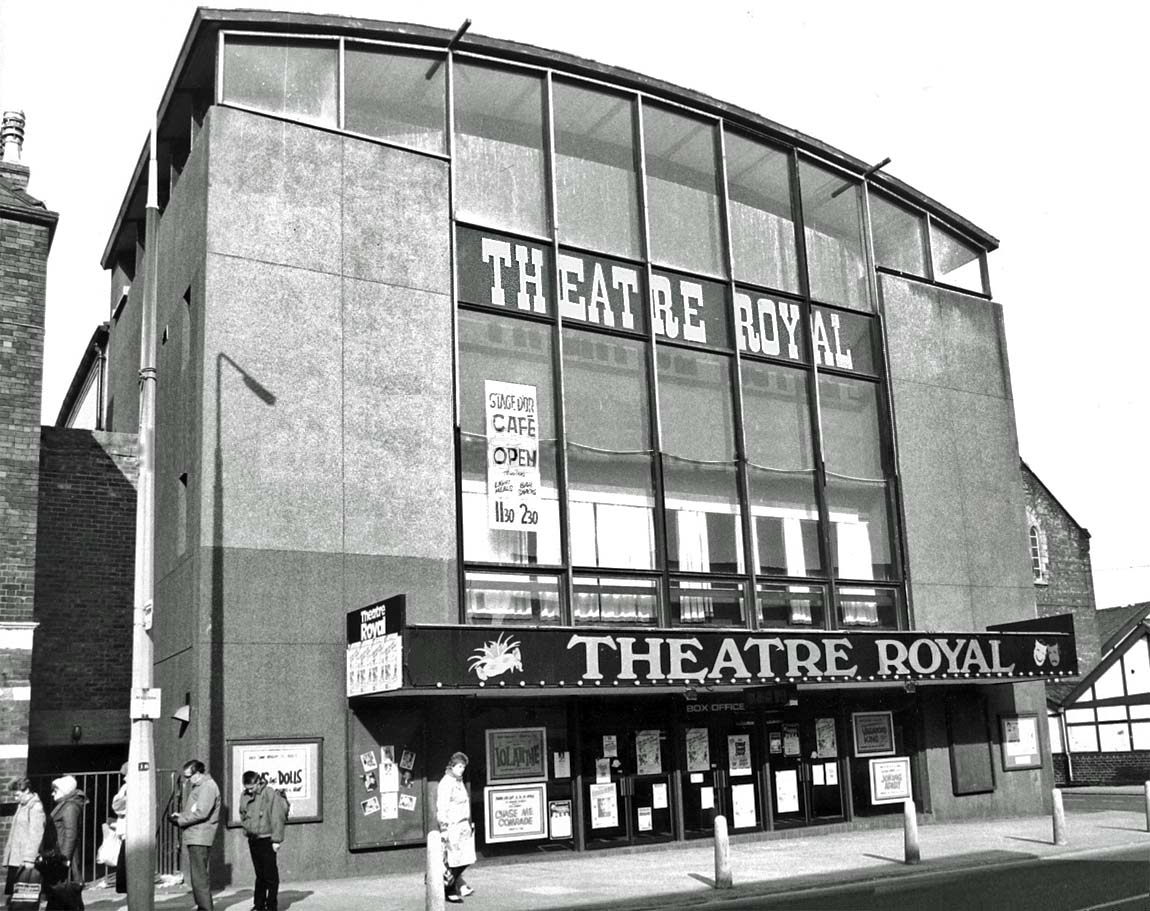 On the 15th and throughout the week what was described as a "Grand Pre-Christmas Panto" called 'The Old Woman Who Lived In A Shoe' was performed at the Theatre Royal in St Helens. The show starred Johnny Dallas as Old Mother Hubbard.
The National Coal Board announced this week that over 30 men were needed to work at Bold Colliery. However, they would not be involved in any coal operations but instead undertake underground salvage work on coalface machinery that was left behind when miners relocated to other faces.
On the 16th the Cowley Boys School band and choir performed at a carol service at St Helens Hospital. Staff and patients were reported as having been delighted by the performance, which was delivered in the hospital's Recreation Hall. The carol service brought to a successful end the first year of the hospital's monthly inter-denominational services, which had been taken in turn by the hospital's three chaplains.
On the 17th Eccleston received a sculptured steel trophy after being voted the best village in the North West's Britain in Bloom competition. The award was presented to members of the Parish Council at a special ceremony held at Eccleston Library. It was the first time that the village had entered the competition, which was run by the North West Tourist Board. Also on the 17th a united Christmas Festival took place in St Helens Parish Church, which featured an 80-voice choir drawn from different churches in the town.
The St Helens Reporter was published on the 19th and described how thousands of Pilkington pensioners and widows were set to receive a Christmas bumper bonus that in total amounted to £375,000. That in today's money is around £5 million. But the payment would only be made to those who did not pay income tax. In other words, those who only received the State pension and Pilkington's pension would receive the money – not those that had other outside income that made them liable to pay tax.
The amount of the payments would vary according to age of the recipient with someone born after March 31st 1905 receiving £50 but those born at least three years earlier receiving £90 – that's over £1,000 in today's cash. Pilks had estimated that around 6,100 pensioners and widows out of a total of 7,800 would benefit from the gift.
The money did not come from either the company or its pension funds but from various trusts that past Pilkington family members had set up for the benefit of their employees and dependents. It was the first time that such a gift had been made from these trusts, which the company said was due to a good investment policy that enabled the trustees to build up a surplus of funds.
The Reporter also wrote: "A cold and bleak Christmas faces pensioners living in Hoghton Close, Sutton – for the 13th year running." The paper explained that since the eighteen bungalows there had been built in 1962, there had been a "mass" of complaints about badly fitting doors and windows. These had caused problems of severe draughts and dampness to the residents who were all aged over 70 and were concerned about the prospect of another cold and dreary winter. St Helens Council was accused of not rectifying the problems, leading to unnecessary deaths.
Mable Stirrup told the Reporter: "As you get older the need for warmth is greater. Six people from the close have died within as many months this year. There seems to be nothing but funerals here lately. People are never free of illness and colds in the bungalows. In the cold weather you are frightened of going to bed at night. The bungalows are heated, either by coal fires, gas or electric. Most of the bedrooms have gas fires but these are ineffective against the severe draughts and dampness that you get here. For my living room to get really warm I have to put all four sections of my gas fire on. But it's so expensive. How many pensioners can afford to do that? I don’t know any."
James and Ethel Glover, both aged 79, complained that theirs was the coldest house they had ever lived in, adding they had spent a fortune putting curtains up over doors to stop draughts getting through the gaps. A Town Hall spokesman was far from encouraging, saying, "Most people are cold in this weather" and explaining that those bungalows were very much in demand but said the complaints were being looked into.
That was a better response than a firm called Fragmentation gave when the Reporter got in touch with them. This was the 1970s when PR was often very poor and a spokesman for the Reginald Road car-breaker would only say "no comment" when contacted. (Can you be a spokesperson if you don't speak?)
The Reporter's unanswered query concerned complaints made by the British Rail Bowling Club in Penlake Lane. Their secretary Les Pritchard described how a club window had been smashed, a billiard table light damaged and a car windscreen shattered. The damage, he blamed, on flying chunks of metal that had been rocketing around his premises like lethal bullets. "It looks like someone will be injured or killed before anything is done," added Mr Pritchard.
Fragmentation's compression of car chassis was said to be the cause of the pieces of metal flying about. The firm had previously said they had put a screen around their premises but, if it still existed, Mr Pritchard felt it was ineffective. "Whenever we cut the grass we find large numbers of these bolts and bits of metal on the green." He added that vibrations from the car crushing had even caused the heavy billiards tables in the club to shake.
In another Reporter story the Rainford Rates Action Group was described as having annoyed the St Helens Borough Treasurer, Douglas Pennington. The group had written to Mr Pennington asking for an explanation of alleged council overspending of almost £1 million, which they blamed on massive increases in salaries. But before the Borough Treasurer could respond, the group had circulated a newsletter detailing their claims. Mr Pennington claimed that the figures were misleading but the Rainford Group's chairman Len Scott was unrepentant, saying: "We used the council's own figures and we compared like with like."
Pictured in the paper was the Reporter's receptionist Julie Bishop handing over the last of the donated toys from the paper's Toys Appeal. The Reporter had encouraged residents to bring new toys into their office, which they would pass on to the Mayor, Peggy McNamara. She had launched her own appeal and a combined carol service and toy handover event was held last weekend.
A total of 2,000 toys were received as well as £600 in cash. As a result 2,000 children throughout the borough would receive gifts ranging from dolls to puzzles – and even tights for teenage girls. A thousand food parcels were also going to be distributed by various charitable organisations in the town.
And finally, from the 21st the ABC Savoy replaced sex film 'Nurses On The Job' with an Andy Warhol film called 'Flesh For Frankenstein'. And at the Capitol Cinema, 'The Land That Time Forgot' starring Doug McClure replaced 'The Getaway' starring Steve McQueen.
St Helens Reporter courtesy St Helens Archive Service at Eccleston Library
Next Week's stories will include the vandalised Christmas crib at St Helens Town Hall, the reduced need for students to deliver the Christmas mail, a Christmas TV guide and the vain attempt to save a baby’s life in Sutton.
The National Coal Board announced this week that over 30 men were needed to work at Bold Colliery. However, they would not be involved in any coal operations but instead undertake underground salvage work on coalface machinery that was left behind when miners relocated to other faces.
On the 16th the Cowley Boys School band and choir performed at a carol service at St Helens Hospital. Staff and patients were reported as having been delighted by the performance, which was delivered in the hospital's Recreation Hall. The carol service brought to a successful end the first year of the hospital's monthly inter-denominational services, which had been taken in turn by the hospital's three chaplains.
On the 17th Eccleston received a sculptured steel trophy after being voted the best village in the North West's Britain in Bloom competition. The award was presented to members of the Parish Council at a special ceremony held at Eccleston Library. It was the first time that the village had entered the competition, which was run by the North West Tourist Board. Also on the 17th a united Christmas Festival took place in St Helens Parish Church, which featured an 80-voice choir drawn from different churches in the town.
The St Helens Reporter was published on the 19th and described how thousands of Pilkington pensioners and widows were set to receive a Christmas bumper bonus that in total amounted to £375,000. That in today's money is around £5 million. But the payment would only be made to those who did not pay income tax. In other words, those who only received the State pension and Pilkington's pension would receive the money – not those that had other outside income that made them liable to pay tax.
The amount of the payments would vary according to age of the recipient with someone born after March 31st 1905 receiving £50 but those born at least three years earlier receiving £90 – that's over £1,000 in today's cash. Pilks had estimated that around 6,100 pensioners and widows out of a total of 7,800 would benefit from the gift.
The money did not come from either the company or its pension funds but from various trusts that past Pilkington family members had set up for the benefit of their employees and dependents. It was the first time that such a gift had been made from these trusts, which the company said was due to a good investment policy that enabled the trustees to build up a surplus of funds.
The Reporter also wrote: "A cold and bleak Christmas faces pensioners living in Hoghton Close, Sutton – for the 13th year running." The paper explained that since the eighteen bungalows there had been built in 1962, there had been a "mass" of complaints about badly fitting doors and windows. These had caused problems of severe draughts and dampness to the residents who were all aged over 70 and were concerned about the prospect of another cold and dreary winter. St Helens Council was accused of not rectifying the problems, leading to unnecessary deaths.
Mable Stirrup told the Reporter: "As you get older the need for warmth is greater. Six people from the close have died within as many months this year. There seems to be nothing but funerals here lately. People are never free of illness and colds in the bungalows. In the cold weather you are frightened of going to bed at night. The bungalows are heated, either by coal fires, gas or electric. Most of the bedrooms have gas fires but these are ineffective against the severe draughts and dampness that you get here. For my living room to get really warm I have to put all four sections of my gas fire on. But it's so expensive. How many pensioners can afford to do that? I don’t know any."
James and Ethel Glover, both aged 79, complained that theirs was the coldest house they had ever lived in, adding they had spent a fortune putting curtains up over doors to stop draughts getting through the gaps. A Town Hall spokesman was far from encouraging, saying, "Most people are cold in this weather" and explaining that those bungalows were very much in demand but said the complaints were being looked into.
That was a better response than a firm called Fragmentation gave when the Reporter got in touch with them. This was the 1970s when PR was often very poor and a spokesman for the Reginald Road car-breaker would only say "no comment" when contacted. (Can you be a spokesperson if you don't speak?)
The Reporter's unanswered query concerned complaints made by the British Rail Bowling Club in Penlake Lane. Their secretary Les Pritchard described how a club window had been smashed, a billiard table light damaged and a car windscreen shattered. The damage, he blamed, on flying chunks of metal that had been rocketing around his premises like lethal bullets. "It looks like someone will be injured or killed before anything is done," added Mr Pritchard.
Fragmentation's compression of car chassis was said to be the cause of the pieces of metal flying about. The firm had previously said they had put a screen around their premises but, if it still existed, Mr Pritchard felt it was ineffective. "Whenever we cut the grass we find large numbers of these bolts and bits of metal on the green." He added that vibrations from the car crushing had even caused the heavy billiards tables in the club to shake.
In another Reporter story the Rainford Rates Action Group was described as having annoyed the St Helens Borough Treasurer, Douglas Pennington. The group had written to Mr Pennington asking for an explanation of alleged council overspending of almost £1 million, which they blamed on massive increases in salaries. But before the Borough Treasurer could respond, the group had circulated a newsletter detailing their claims. Mr Pennington claimed that the figures were misleading but the Rainford Group's chairman Len Scott was unrepentant, saying: "We used the council's own figures and we compared like with like."
Pictured in the paper was the Reporter's receptionist Julie Bishop handing over the last of the donated toys from the paper's Toys Appeal. The Reporter had encouraged residents to bring new toys into their office, which they would pass on to the Mayor, Peggy McNamara. She had launched her own appeal and a combined carol service and toy handover event was held last weekend.
A total of 2,000 toys were received as well as £600 in cash. As a result 2,000 children throughout the borough would receive gifts ranging from dolls to puzzles – and even tights for teenage girls. A thousand food parcels were also going to be distributed by various charitable organisations in the town.
And finally, from the 21st the ABC Savoy replaced sex film 'Nurses On The Job' with an Andy Warhol film called 'Flesh For Frankenstein'. And at the Capitol Cinema, 'The Land That Time Forgot' starring Doug McClure replaced 'The Getaway' starring Steve McQueen.
St Helens Reporter courtesy St Helens Archive Service at Eccleston Library
Next Week's stories will include the vandalised Christmas crib at St Helens Town Hall, the reduced need for students to deliver the Christmas mail, a Christmas TV guide and the vain attempt to save a baby’s life in Sutton.
This week's many stories include the Pilkington pensioners Christmas bumper bonus, the flying chunks of metal that struck a Sutton bowling club, the cold and bleak Christmas facing pensioners in Sutton and Eccleston is voted best village in the North West's Britain in Bloom competition.
On the 15th and throughout the week what was described as a "Grand Pre-Christmas Panto" called 'The Old Woman Who Lived In A Shoe' was performed at the Theatre Royal in St Helens. The show starred Johnny Dallas as Old Mother Hubbard.
The National Coal Board announced this week that over 30 men were needed to work at Bold Colliery.
However, they would not be involved in any coal operations but instead undertake underground salvage work on coalface machinery that was left behind when miners relocated to other faces.
On the 16th the Cowley Boys School band and choir performed at a carol service at St Helens Hospital.
Staff and patients were reported as having been delighted by the performance, which was delivered in the hospital's Recreation Hall.
The carol service brought to a successful end the first year of the hospital's monthly inter-denominational services, which had been taken in turn by the hospital's three chaplains.
On the 17th Eccleston received a sculptured steel trophy after being voted the best village in the North West's Britain in Bloom competition.
The award was presented to members of the Parish Council at a special ceremony held at Eccleston Library.
It was the first time that the village had entered the competition, which was run by the North West Tourist Board.
Also on the 17th a united Christmas Festival took place in St Helens Parish Church, which featured an 80-voice choir drawn from different churches in the town.
The St Helens Reporter was published on the 19th and described how thousands of Pilkington pensioners and widows were set to receive a Christmas bumper bonus that in total amounted to £375,000. That in today's money is around £5 million.
But the payment would only be made to those who did not pay income tax.
In other words, those who only received the State pension and Pilkington's pension would receive the money – not those that had other outside income that made them liable to pay tax.
The amount of the payments would vary according to age of the recipient with someone born after March 31st 1905 receiving £50 but those born at least three years earlier receiving £90 – that's over £1,000 in today's cash.
Pilks had estimated that around 6,100 pensioners and widows out of a total of 7,800 would benefit from the gift.
The money did not come from either the company or its pension funds but from various trusts that past Pilkington family members had set up for the benefit of their employees and dependents.
It was the first time that such a gift had been made from these trusts, which the company said was due to a good investment policy that enabled the trustees to build up a surplus of funds.
The Reporter also wrote: "A cold and bleak Christmas faces pensioners living in Hoghton Close, Sutton – for the 13th year running."
The paper explained that since the eighteen bungalows there had been built in 1962, there had been a "mass" of complaints about badly fitting doors and windows.
These had caused problems of severe draughts and dampness to the residents who were all aged over 70 and were concerned about the prospect of another cold and dreary winter.
St Helens Council was accused of not rectifying the problems, leading to unnecessary deaths.
Mable Stirrup told the Reporter: "As you get older the need for warmth is greater. Six people from the close have died within as many months this year. There seems to be nothing but funerals here lately. People are never free of illness and colds in the bungalows.
"In the cold weather you are frightened of going to bed at night. The bungalows are heated, either by coal fires, gas or electric. Most of the bedrooms have gas fires but these are ineffective against the severe draughts and dampness that you get here.
"For my living room to get really warm I have to put all four sections of my gas fire on. But it's so expensive. How many pensioners can afford to do that? I don’t know any."
James and Ethel Glover, both aged 79, complained that theirs was the coldest house they had ever lived in, adding they had spent a fortune putting curtains up over doors to stop draughts getting through the gaps.
A Town Hall spokesman was far from encouraging, saying, "Most people are cold in this weather" and explaining that those bungalows were very much in demand but said the complaints were being looked into.
That was a better response than a firm called Fragmentation gave when the Reporter got in touch with them.
This was the 1970s when PR was often very poor and a spokesman for the Reginald Road car-breaker would only say "no comment" when contacted. (Can you be a spokesperson if you don't speak?)
The Reporter's unanswered query concerned complaints made by the British Rail Bowling Club in Penlake Lane.
Their secretary Les Pritchard described how a club window had been smashed, a billiard table light damaged and a car windscreen shattered.
The damage, he blamed, on flying chunks of metal that had been rocketing around his premises like lethal bullets.
"It looks like someone will be injured or killed before anything is done," added Mr Pritchard.
Fragmentation's compression of car chassis was said to be the cause of the pieces of metal flying about.
The firm had previously said they had put a screen around their premises but, if it still existed, Mr Pritchard felt it was ineffective.
"Whenever we cut the grass we find large numbers of these bolts and bits of metal on the green."
He added that vibrations from the car crushing had even caused the heavy billiards tables in the club to shake.
In another Reporter story the Rainford Rates Action Group was described as having annoyed the St Helens Borough Treasurer, Douglas Pennington.
The group had written to Mr Pennington asking for an explanation of alleged council overspending of almost £1 million, which they blamed on massive increases in salaries.
But before the Borough Treasurer could respond, the group had circulated a newsletter detailing their claims.
Mr Pennington claimed that the figures were misleading but the Rainford Group's chairman Len Scott was unrepentant, saying:
"We used the council's own figures and we compared like with like."
Pictured in the paper was the Reporter's receptionist Julie Bishop handing over the last of the donated toys from the paper's Toys Appeal.
The Reporter had encouraged residents to bring new toys into their office, which they would pass on to the Mayor, Peggy McNamara.
She had launched her own appeal and a combined carol service and toy handover event was held last weekend.
A total of 2,000 toys were received as well as £600 in cash. As a result 2,000 children throughout the borough would receive gifts ranging from dolls to puzzles – and even tights for teenage girls.
A thousand food parcels were also going to be distributed by various charitable organisations in the town.
And finally, from the 21st the ABC Savoy replaced sex film 'Nurses On The Job' with an Andy Warhol film called 'Flesh For Frankenstein'.
And at the Capitol Cinema, 'The Land That Time Forgot' starring Doug McClure replaced 'The Getaway' starring Steve McQueen.
St Helens Reporter courtesy St Helens Archive Service at Eccleston Library
Next Week's stories will include the vandalised Christmas crib at St Helens Town Hall, the reduced need for students to deliver the Christmas mail, a Christmas TV guide and the vain attempt to save a baby’s life in Sutton.
The National Coal Board announced this week that over 30 men were needed to work at Bold Colliery.
However, they would not be involved in any coal operations but instead undertake underground salvage work on coalface machinery that was left behind when miners relocated to other faces.
On the 16th the Cowley Boys School band and choir performed at a carol service at St Helens Hospital.
Staff and patients were reported as having been delighted by the performance, which was delivered in the hospital's Recreation Hall.
The carol service brought to a successful end the first year of the hospital's monthly inter-denominational services, which had been taken in turn by the hospital's three chaplains.
On the 17th Eccleston received a sculptured steel trophy after being voted the best village in the North West's Britain in Bloom competition.
The award was presented to members of the Parish Council at a special ceremony held at Eccleston Library.
It was the first time that the village had entered the competition, which was run by the North West Tourist Board.
Also on the 17th a united Christmas Festival took place in St Helens Parish Church, which featured an 80-voice choir drawn from different churches in the town.
The St Helens Reporter was published on the 19th and described how thousands of Pilkington pensioners and widows were set to receive a Christmas bumper bonus that in total amounted to £375,000. That in today's money is around £5 million.
But the payment would only be made to those who did not pay income tax.
In other words, those who only received the State pension and Pilkington's pension would receive the money – not those that had other outside income that made them liable to pay tax.
The amount of the payments would vary according to age of the recipient with someone born after March 31st 1905 receiving £50 but those born at least three years earlier receiving £90 – that's over £1,000 in today's cash.
Pilks had estimated that around 6,100 pensioners and widows out of a total of 7,800 would benefit from the gift.
The money did not come from either the company or its pension funds but from various trusts that past Pilkington family members had set up for the benefit of their employees and dependents.
It was the first time that such a gift had been made from these trusts, which the company said was due to a good investment policy that enabled the trustees to build up a surplus of funds.
The Reporter also wrote: "A cold and bleak Christmas faces pensioners living in Hoghton Close, Sutton – for the 13th year running."
The paper explained that since the eighteen bungalows there had been built in 1962, there had been a "mass" of complaints about badly fitting doors and windows.
These had caused problems of severe draughts and dampness to the residents who were all aged over 70 and were concerned about the prospect of another cold and dreary winter.
St Helens Council was accused of not rectifying the problems, leading to unnecessary deaths.
Mable Stirrup told the Reporter: "As you get older the need for warmth is greater. Six people from the close have died within as many months this year. There seems to be nothing but funerals here lately. People are never free of illness and colds in the bungalows.
"In the cold weather you are frightened of going to bed at night. The bungalows are heated, either by coal fires, gas or electric. Most of the bedrooms have gas fires but these are ineffective against the severe draughts and dampness that you get here.
"For my living room to get really warm I have to put all four sections of my gas fire on. But it's so expensive. How many pensioners can afford to do that? I don’t know any."
James and Ethel Glover, both aged 79, complained that theirs was the coldest house they had ever lived in, adding they had spent a fortune putting curtains up over doors to stop draughts getting through the gaps.
A Town Hall spokesman was far from encouraging, saying, "Most people are cold in this weather" and explaining that those bungalows were very much in demand but said the complaints were being looked into.
That was a better response than a firm called Fragmentation gave when the Reporter got in touch with them.
This was the 1970s when PR was often very poor and a spokesman for the Reginald Road car-breaker would only say "no comment" when contacted. (Can you be a spokesperson if you don't speak?)
The Reporter's unanswered query concerned complaints made by the British Rail Bowling Club in Penlake Lane.
Their secretary Les Pritchard described how a club window had been smashed, a billiard table light damaged and a car windscreen shattered.
The damage, he blamed, on flying chunks of metal that had been rocketing around his premises like lethal bullets.
"It looks like someone will be injured or killed before anything is done," added Mr Pritchard.
Fragmentation's compression of car chassis was said to be the cause of the pieces of metal flying about.
The firm had previously said they had put a screen around their premises but, if it still existed, Mr Pritchard felt it was ineffective.
"Whenever we cut the grass we find large numbers of these bolts and bits of metal on the green."
He added that vibrations from the car crushing had even caused the heavy billiards tables in the club to shake.
In another Reporter story the Rainford Rates Action Group was described as having annoyed the St Helens Borough Treasurer, Douglas Pennington.
The group had written to Mr Pennington asking for an explanation of alleged council overspending of almost £1 million, which they blamed on massive increases in salaries.
But before the Borough Treasurer could respond, the group had circulated a newsletter detailing their claims.
Mr Pennington claimed that the figures were misleading but the Rainford Group's chairman Len Scott was unrepentant, saying:
"We used the council's own figures and we compared like with like."
Pictured in the paper was the Reporter's receptionist Julie Bishop handing over the last of the donated toys from the paper's Toys Appeal.
The Reporter had encouraged residents to bring new toys into their office, which they would pass on to the Mayor, Peggy McNamara.
She had launched her own appeal and a combined carol service and toy handover event was held last weekend.
A total of 2,000 toys were received as well as £600 in cash. As a result 2,000 children throughout the borough would receive gifts ranging from dolls to puzzles – and even tights for teenage girls.
A thousand food parcels were also going to be distributed by various charitable organisations in the town.
And finally, from the 21st the ABC Savoy replaced sex film 'Nurses On The Job' with an Andy Warhol film called 'Flesh For Frankenstein'.
And at the Capitol Cinema, 'The Land That Time Forgot' starring Doug McClure replaced 'The Getaway' starring Steve McQueen.
St Helens Reporter courtesy St Helens Archive Service at Eccleston Library
Next Week's stories will include the vandalised Christmas crib at St Helens Town Hall, the reduced need for students to deliver the Christmas mail, a Christmas TV guide and the vain attempt to save a baby’s life in Sutton.