
FIFTY YEARS AGO THIS WEEK 11 - 17 AUGUST 1975
This week's many stories include the drastic cuts that were to be made in council spending, the record number of unemployed young people in St Helens, another serious crash takes place on the dangerous Boardmans Lane bend, the Sandon Street pensioner living in squalor and the Pilks' workers second win on Vernons football pools.
We begin on the 11th when members of the council's Planning Committee took the decision to allow tipping to resume at the Holiday Moss tip in Rainford. The committee had banned tipping on the site in April because they alleged that planning conditions were not being adhered to.
But a deal had been done between the tip's operator and the North West Water Authority on a means of operating the dump without endangering local watercourses with pollution. However, the foul water that had accumulated during the five months that tipping had ceased at the site would need to be removed first.
The latest unemployment figures were released this week, which revealed that the number of young persons out of work in St Helens had topped 1,400. That was the highest figure ever recorded in the town and more than double last year's number. The council's Education Committee was so concerned about the situation that they had written to Michael Foot, the Employment Minister, calling for increased employment and training opportunities for the young.
Careers Officer Derek Brown told the Reporter: "When redundancies occur, the public realise older people may be affected, but many forget that recruitment stops and many jobs are lost forever." Mr Brown said in order to ease the problem they were encouraging youngsters to continue their full-time education. Or to study at one of the new apprentice training courses in engineering and building construction that were now available at St Helens College and at its Newton campus.
The dangerous bend in Boardmans Lane in Parr was back under the spotlight after another serious accident involving a motorcyclist had taken place. Last year a biker and pillion passenger had been killed in the same spot outside of St Anselm's School. That had led to residents warning of the danger of the corner and the likelihood of future accidents occurring.
George Georges from Laffak was now in intensive care in Whiston Hospital after his motorcycle had on the 12th collided with a car on the same bend. Resident Doris Clarke said: "There are a lot of accidents on this bend. It's a blind bend and there should be ‘slow’ signs. There should be some signs pointing out how dangerous the bend is. I'm always complaining to the police about it and I am willing to offer part of my garden to lessen the bend." A spokesman for the Town Hall explained that they were looking at that section of the road to see what could be done to make it safer.
The St Helens Reporter was published on the 11th and described how another victim of the town's redevelopment programme had finally been found a new home. But the story also illustrated the difficulties that St Helens Council faced. Martin O’Neil was described as living in squalor at his home in Sandon Street in Thatto Heath, which was awaiting government approval to be demolished.
The 69-year-old had been born in his two-up, two-down house but the place had been deteriorating for many years and vandals had assumed it was derelict and caused much damage. They had stolen Mr O’Neil's sink pipe and the sink itself had fallen off the wall. The outside toilet did not work because the cistern had rusted through and all the slates on the roof of the house had been removed.
Every wall was damp and crumbling and a gaping hole in the ceiling allowed in daylight. And that was virtually the only natural light in the house, as all the windows had been boarded up. That was because they had all been smashed and their frames found to be so rotten that they could not hold a new pane of glass. But the problem for the council was that Mr O’Neil had refused to be rehoused out of Thatto Heath, telling the Reporter:
"I would like a flat, but not out of this area. When you've grown up in a place you don't want to move, do you?" But the good news was that the council had now found Mr O’Neil a new home in Dorothy Street, just up the road from Sandon Street. It was common for people in condemned homes to refuse offers of new accommodation because they did not want to live in that particular location or they felt the type of property on offer was unsuitable. That made the council's job of rehousing persons likes Martin O’Neil particularly difficult.
Another Sandon Street resident that the Reporter talked to underlined the problem. James Haggerty and his family had been living in the street for 15 years. But for the last 10 years he and his wife had not been able to sleep upstairs because their front bedroom was so damp and their four children all had to sleep in a single bedroom that was comparatively dry.
The family had no bathroom and their only water came from the cold tap in a stone sink. But Mr Haggerty told the Reporter that he would rather remain in their present home under the dreadful conditions than move to the new estate at Four Acre. "I hear it's terrible there", he said. And a young mother living in Sandon Street, who the Reporter also spoke to, said she had given up her new home at Four Acre because she found the estate too impersonal.
The Reporter described how a "secret report" circulating among St Helens councillors was suggesting that "drastic cuts" would need to be made in council spending. Treasurer Douglas Pennington had drawn up the report in the light of "draconian cuts" that the government wanted making in public spending, which he stated could only be achieved by reducing the standard of services.
The Reporter stated, "Cherished schemes now almost certain to be delayed, or ditched altogether, include Community Centres for Blackbrook and Sutton Manor; a youth centre for Rainford; two Newton play areas and two multi-purpose day centres in St. Helens and Newton." As well as capital spending being cut by 10%, the report also listed a range of day-to-day spending that might have to face the axe.
These cost-cutting measures included abandoning the St Helens Show, which would mean an annual saving of £32,000 and scrapping the council newspaper called St Helens Scene, which would save £6,800. There was also the suggestion that education cuts could be made by leaving posts vacant when teachers left their job. The councillors would have several months to reach a decision, as the cutbacks would only be implemented in the budget for the financial year 1976 - 77.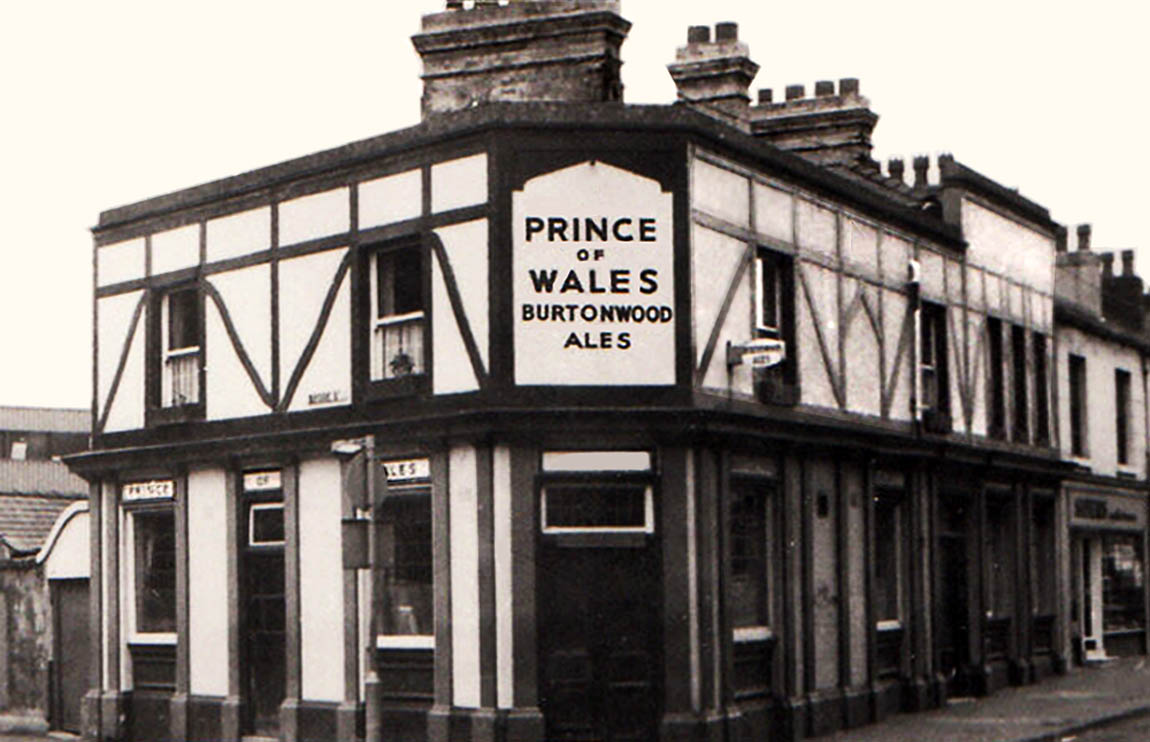 The Reporter also described how the link between former police officers running public houses in St Helens would be extended next week. That was when Alan Roberts and his wife Millie took over the reins of the Prince of Wales Hotel in Ormskirk Street. The former constable would be replacing another ex-copper in Jack Frodsham and his wife Pat who were moving to the Brown Edge in Nutgrove. The latter couple were renowned for their Great Danes called Bass and Scooby that were familiar sights in the Prince of Wales, which was demolished in 1979.
Eighteen months ago a syndicate of Pilkington workers had won £25,000 on Vernons pools. And this week it was announced that the same group had won a further £138,000 using the same sequence of numbers. A Vernons spokesman said: "It makes history with us. It is the first time a syndicate has won two major prizes in so short a period. The odds against it are fantastic."
There were nineteen members in the syndicate and its organiser was John Gibbons from Gorsey Lane in Bold who said he had been sure the sequence of numbers would come up trumps again. He added: "It's made a lot of people happy, and I'm very pleased." Particularly chuffed were Robert Bacon and George Bentley who had dropped out of the syndicate only weeks before the first £25,000 win but each now had a windfall of £6,900.
St Helens Reporter courtesy St Helens Archive Service at Eccleston Library
Next Week's stories will include the brick thrown through a train window that knocked out the driver, the third increase in bus fares in 1975 is announced and the woman from Keswick Road who wrongly thought she was 100.
We begin on the 11th when members of the council's Planning Committee took the decision to allow tipping to resume at the Holiday Moss tip in Rainford. The committee had banned tipping on the site in April because they alleged that planning conditions were not being adhered to.
But a deal had been done between the tip's operator and the North West Water Authority on a means of operating the dump without endangering local watercourses with pollution. However, the foul water that had accumulated during the five months that tipping had ceased at the site would need to be removed first.
The latest unemployment figures were released this week, which revealed that the number of young persons out of work in St Helens had topped 1,400. That was the highest figure ever recorded in the town and more than double last year's number. The council's Education Committee was so concerned about the situation that they had written to Michael Foot, the Employment Minister, calling for increased employment and training opportunities for the young.
Careers Officer Derek Brown told the Reporter: "When redundancies occur, the public realise older people may be affected, but many forget that recruitment stops and many jobs are lost forever." Mr Brown said in order to ease the problem they were encouraging youngsters to continue their full-time education. Or to study at one of the new apprentice training courses in engineering and building construction that were now available at St Helens College and at its Newton campus.
The dangerous bend in Boardmans Lane in Parr was back under the spotlight after another serious accident involving a motorcyclist had taken place. Last year a biker and pillion passenger had been killed in the same spot outside of St Anselm's School. That had led to residents warning of the danger of the corner and the likelihood of future accidents occurring.
George Georges from Laffak was now in intensive care in Whiston Hospital after his motorcycle had on the 12th collided with a car on the same bend. Resident Doris Clarke said: "There are a lot of accidents on this bend. It's a blind bend and there should be ‘slow’ signs. There should be some signs pointing out how dangerous the bend is. I'm always complaining to the police about it and I am willing to offer part of my garden to lessen the bend." A spokesman for the Town Hall explained that they were looking at that section of the road to see what could be done to make it safer.
The St Helens Reporter was published on the 11th and described how another victim of the town's redevelopment programme had finally been found a new home. But the story also illustrated the difficulties that St Helens Council faced. Martin O’Neil was described as living in squalor at his home in Sandon Street in Thatto Heath, which was awaiting government approval to be demolished.
The 69-year-old had been born in his two-up, two-down house but the place had been deteriorating for many years and vandals had assumed it was derelict and caused much damage. They had stolen Mr O’Neil's sink pipe and the sink itself had fallen off the wall. The outside toilet did not work because the cistern had rusted through and all the slates on the roof of the house had been removed.
Every wall was damp and crumbling and a gaping hole in the ceiling allowed in daylight. And that was virtually the only natural light in the house, as all the windows had been boarded up. That was because they had all been smashed and their frames found to be so rotten that they could not hold a new pane of glass. But the problem for the council was that Mr O’Neil had refused to be rehoused out of Thatto Heath, telling the Reporter:
"I would like a flat, but not out of this area. When you've grown up in a place you don't want to move, do you?" But the good news was that the council had now found Mr O’Neil a new home in Dorothy Street, just up the road from Sandon Street. It was common for people in condemned homes to refuse offers of new accommodation because they did not want to live in that particular location or they felt the type of property on offer was unsuitable. That made the council's job of rehousing persons likes Martin O’Neil particularly difficult.
Another Sandon Street resident that the Reporter talked to underlined the problem. James Haggerty and his family had been living in the street for 15 years. But for the last 10 years he and his wife had not been able to sleep upstairs because their front bedroom was so damp and their four children all had to sleep in a single bedroom that was comparatively dry.
The family had no bathroom and their only water came from the cold tap in a stone sink. But Mr Haggerty told the Reporter that he would rather remain in their present home under the dreadful conditions than move to the new estate at Four Acre. "I hear it's terrible there", he said. And a young mother living in Sandon Street, who the Reporter also spoke to, said she had given up her new home at Four Acre because she found the estate too impersonal.
The Reporter described how a "secret report" circulating among St Helens councillors was suggesting that "drastic cuts" would need to be made in council spending. Treasurer Douglas Pennington had drawn up the report in the light of "draconian cuts" that the government wanted making in public spending, which he stated could only be achieved by reducing the standard of services.
The Reporter stated, "Cherished schemes now almost certain to be delayed, or ditched altogether, include Community Centres for Blackbrook and Sutton Manor; a youth centre for Rainford; two Newton play areas and two multi-purpose day centres in St. Helens and Newton." As well as capital spending being cut by 10%, the report also listed a range of day-to-day spending that might have to face the axe.
These cost-cutting measures included abandoning the St Helens Show, which would mean an annual saving of £32,000 and scrapping the council newspaper called St Helens Scene, which would save £6,800. There was also the suggestion that education cuts could be made by leaving posts vacant when teachers left their job. The councillors would have several months to reach a decision, as the cutbacks would only be implemented in the budget for the financial year 1976 - 77.
Eighteen months ago a syndicate of Pilkington workers had won £25,000 on Vernons pools. And this week it was announced that the same group had won a further £138,000 using the same sequence of numbers. A Vernons spokesman said: "It makes history with us. It is the first time a syndicate has won two major prizes in so short a period. The odds against it are fantastic."
There were nineteen members in the syndicate and its organiser was John Gibbons from Gorsey Lane in Bold who said he had been sure the sequence of numbers would come up trumps again. He added: "It's made a lot of people happy, and I'm very pleased." Particularly chuffed were Robert Bacon and George Bentley who had dropped out of the syndicate only weeks before the first £25,000 win but each now had a windfall of £6,900.
St Helens Reporter courtesy St Helens Archive Service at Eccleston Library
Next Week's stories will include the brick thrown through a train window that knocked out the driver, the third increase in bus fares in 1975 is announced and the woman from Keswick Road who wrongly thought she was 100.
This week's many stories include the drastic cuts that were to be made in council spending, the record number of unemployed young people in St Helens, another serious crash takes place on the dangerous Boardmans Lane bend, the Sandon Street pensioner living in squalor and the Pilks' workers second win on Vernons football pools.
We begin on the 11th when members of the council's Planning Committee took the decision to allow tipping to resume at the Holiday Moss tip in Rainford.
The committee had banned tipping on the site in April because they alleged that planning conditions were not being adhered to.
But a deal had been done between the tip's operator and the North West Water Authority on a means of operating the dump without endangering local watercourses with pollution.
However, the foul water that had accumulated during the five months that tipping had ceased at the site would need to be removed first.
The latest unemployment figures were released this week, which revealed that the number of young persons out of work in St Helens had topped 1,400.
That was the highest figure ever recorded in the town and more than double last year's number.
The council's Education Committee was so concerned about the situation that they had written to Michael Foot, the Employment Minister, calling for increased employment and training opportunities for the young.
Careers Officer Derek Brown told the Reporter: "When redundancies occur, the public realise older people may be affected, but many forget that recruitment stops and many jobs are lost forever."
Mr Brown said in order to ease the problem they were encouraging youngsters to continue their full-time education.
Or to study at one of the new apprentice training courses in engineering and building construction that were now available at St Helens College and at its Newton campus.
The dangerous bend in Boardmans Lane in Parr was back under the spotlight after another serious accident involving a motorcyclist had taken place.
Last year a biker and pillion passenger had been killed in the same spot outside of St Anselm's School.
That had led to residents warning of the danger of the corner and the likelihood of future accidents occurring.
George Georges from Laffak was now in intensive care in Whiston Hospital after his motorcycle had on the 12th collided with a car on the same bend.
Resident Doris Clarke said: "There are a lot of accidents on this bend. It's a blind bend and there should be ‘slow’ signs.
"There should be some signs pointing out how dangerous the bend is. I'm always complaining to the police about it and I am willing to offer part of my garden to lessen the bend."
A spokesman for the Town Hall explained that they were looking at that section of the road to see what could be done to make it safer.
The St Helens Reporter was published on the 11th and described how another victim of the town's redevelopment programme had finally been found a new home.
But the story also illustrated the difficulties that St Helens Council faced.
Martin O’Neil was described as living in squalor at his home in Sandon Street in Thatto Heath, which was awaiting government approval to be demolished.
The 69-year-old had been born in his two-up, two-down house but the place had been deteriorating for many years and vandals had assumed it was derelict and caused much damage.
They had stolen Mr O’Neil's sink pipe and the sink itself had fallen off the wall.
The outside toilet did not work because the cistern had rusted through and all the slates on the roof of the house had been removed.
Every wall was damp and crumbling and a gaping hole in the ceiling allowed in daylight.
And that was virtually the only natural light in the house, as all the windows had been boarded up.
That was because they had all been smashed and their frames found to be so rotten that they could not hold a new pane of glass.
But the problem for the council was that Mr O’Neil had refused to be rehoused out of Thatto Heath, telling the Reporter:
"I would like a flat, but not out of this area. When you've grown up in a place you don't want to move, do you?"
But the good news was that the council had now found Mr O’Neil a new home in Dorothy Street, just up the road from Sandon Street.
It was common for people in condemned homes to refuse offers of new accommodation because they did not want to live in that particular location or they felt the type of property on offer was unsuitable.
That made the council's job of rehousing persons likes Martin O’Neil particularly difficult.
Another Sandon Street resident that the Reporter talked to underlined the problem.
James Haggerty and his family had been living in the street for 15 years.
But for the last 10 years he and his wife had not been able to sleep upstairs because their front bedroom was so damp and their four children all had to sleep in a single bedroom that was comparatively dry.
The family had no bathroom and their only water came from the cold tap in a stone sink.
But Mr Haggerty told the Reporter that he would rather remain in their present home under the dreadful conditions than move to the new estate at Four Acre. "I hear it's terrible there", he said.
And a young mother living in Sandon Street, who the Reporter also spoke to, said she had given up her new home at Four Acre because she found the estate too impersonal.
The Reporter described how a "secret report" circulating among St Helens councillors was suggesting that "drastic cuts" would need to be made in council spending.
Treasurer Douglas Pennington had drawn up the report in the light of "draconian cuts" that the government wanted making in public spending, which he stated could only be achieved by reducing the standard of services.
The Reporter stated, "Cherished schemes now almost certain to be delayed, or ditched altogether, include Community Centres for Blackbrook and Sutton Manor; a youth centre for Rainford; two Newton play areas and two multi-purpose day centres in St. Helens and Newton."
As well as capital spending being cut by 10%, the report also listed a range of day-to-day spending that might have to face the axe.
These cost-cutting measures included abandoning the St Helens Show, which would mean an annual saving of £32,000 and scrapping the council newspaper called St Helens Scene, which would save £6,800.
There was also the suggestion that education cuts could be made by leaving posts vacant when teachers left their job.
The councillors would have several months to reach a decision, as the cutbacks would only be implemented in the budget for the financial year 1976 - 77.
The Reporter also described how the link between former police officers running public houses in St Helens would be extended next week.
That was when Alan Roberts and his wife Millie took over the reins of the Prince of Wales Hotel in Ormskirk Street.
The former constable would be replacing another ex-copper in Jack Frodsham and his wife Pat who were moving to the Brown Edge in Nutgrove.
The latter couple were renowned for their Great Danes called Bass and Scooby that were familiar sights in the Prince of Wales (pictured above) which was demolished in 1979.
Eighteen months ago a syndicate of Pilkington workers had won £25,000 on Vernons pools.
And this week it was announced that the same group had won a further £138,000 using the same sequence of numbers.
A Vernons spokesman said: "It makes history with us. It is the first time a syndicate has won two major prizes in so short a period. The odds against it are fantastic."
There were nineteen members in the syndicate and its organiser was John Gibbons from Gorsey Lane in Bold who said he had been sure the sequence of numbers would come up trumps again. He added: "It's made a lot of people happy, and I'm very pleased."
Particularly chuffed were Robert Bacon and George Bentley who had dropped out of the syndicate only weeks before the first £25,000 win but each now had a windfall of £6,900.
St Helens Reporter courtesy St Helens Archive Service at Eccleston Library
Next Week's stories will include the brick thrown through a train window that knocked out the driver, the third increase in bus fares in 1975 is announced and the woman from Keswick Road who wrongly thought she was 100.
We begin on the 11th when members of the council's Planning Committee took the decision to allow tipping to resume at the Holiday Moss tip in Rainford.
The committee had banned tipping on the site in April because they alleged that planning conditions were not being adhered to.
But a deal had been done between the tip's operator and the North West Water Authority on a means of operating the dump without endangering local watercourses with pollution.
However, the foul water that had accumulated during the five months that tipping had ceased at the site would need to be removed first.
The latest unemployment figures were released this week, which revealed that the number of young persons out of work in St Helens had topped 1,400.
That was the highest figure ever recorded in the town and more than double last year's number.
The council's Education Committee was so concerned about the situation that they had written to Michael Foot, the Employment Minister, calling for increased employment and training opportunities for the young.
Careers Officer Derek Brown told the Reporter: "When redundancies occur, the public realise older people may be affected, but many forget that recruitment stops and many jobs are lost forever."
Mr Brown said in order to ease the problem they were encouraging youngsters to continue their full-time education.
Or to study at one of the new apprentice training courses in engineering and building construction that were now available at St Helens College and at its Newton campus.
The dangerous bend in Boardmans Lane in Parr was back under the spotlight after another serious accident involving a motorcyclist had taken place.
Last year a biker and pillion passenger had been killed in the same spot outside of St Anselm's School.
That had led to residents warning of the danger of the corner and the likelihood of future accidents occurring.
George Georges from Laffak was now in intensive care in Whiston Hospital after his motorcycle had on the 12th collided with a car on the same bend.
Resident Doris Clarke said: "There are a lot of accidents on this bend. It's a blind bend and there should be ‘slow’ signs.
"There should be some signs pointing out how dangerous the bend is. I'm always complaining to the police about it and I am willing to offer part of my garden to lessen the bend."
A spokesman for the Town Hall explained that they were looking at that section of the road to see what could be done to make it safer.
The St Helens Reporter was published on the 11th and described how another victim of the town's redevelopment programme had finally been found a new home.
But the story also illustrated the difficulties that St Helens Council faced.
Martin O’Neil was described as living in squalor at his home in Sandon Street in Thatto Heath, which was awaiting government approval to be demolished.
The 69-year-old had been born in his two-up, two-down house but the place had been deteriorating for many years and vandals had assumed it was derelict and caused much damage.
They had stolen Mr O’Neil's sink pipe and the sink itself had fallen off the wall.
The outside toilet did not work because the cistern had rusted through and all the slates on the roof of the house had been removed.
Every wall was damp and crumbling and a gaping hole in the ceiling allowed in daylight.
And that was virtually the only natural light in the house, as all the windows had been boarded up.
That was because they had all been smashed and their frames found to be so rotten that they could not hold a new pane of glass.
But the problem for the council was that Mr O’Neil had refused to be rehoused out of Thatto Heath, telling the Reporter:
"I would like a flat, but not out of this area. When you've grown up in a place you don't want to move, do you?"
But the good news was that the council had now found Mr O’Neil a new home in Dorothy Street, just up the road from Sandon Street.
It was common for people in condemned homes to refuse offers of new accommodation because they did not want to live in that particular location or they felt the type of property on offer was unsuitable.
That made the council's job of rehousing persons likes Martin O’Neil particularly difficult.
Another Sandon Street resident that the Reporter talked to underlined the problem.
James Haggerty and his family had been living in the street for 15 years.
But for the last 10 years he and his wife had not been able to sleep upstairs because their front bedroom was so damp and their four children all had to sleep in a single bedroom that was comparatively dry.
The family had no bathroom and their only water came from the cold tap in a stone sink.
But Mr Haggerty told the Reporter that he would rather remain in their present home under the dreadful conditions than move to the new estate at Four Acre. "I hear it's terrible there", he said.
And a young mother living in Sandon Street, who the Reporter also spoke to, said she had given up her new home at Four Acre because she found the estate too impersonal.
The Reporter described how a "secret report" circulating among St Helens councillors was suggesting that "drastic cuts" would need to be made in council spending.
Treasurer Douglas Pennington had drawn up the report in the light of "draconian cuts" that the government wanted making in public spending, which he stated could only be achieved by reducing the standard of services.
The Reporter stated, "Cherished schemes now almost certain to be delayed, or ditched altogether, include Community Centres for Blackbrook and Sutton Manor; a youth centre for Rainford; two Newton play areas and two multi-purpose day centres in St. Helens and Newton."
As well as capital spending being cut by 10%, the report also listed a range of day-to-day spending that might have to face the axe.
These cost-cutting measures included abandoning the St Helens Show, which would mean an annual saving of £32,000 and scrapping the council newspaper called St Helens Scene, which would save £6,800.
There was also the suggestion that education cuts could be made by leaving posts vacant when teachers left their job.
The councillors would have several months to reach a decision, as the cutbacks would only be implemented in the budget for the financial year 1976 - 77.
The Reporter also described how the link between former police officers running public houses in St Helens would be extended next week.
That was when Alan Roberts and his wife Millie took over the reins of the Prince of Wales Hotel in Ormskirk Street.
The former constable would be replacing another ex-copper in Jack Frodsham and his wife Pat who were moving to the Brown Edge in Nutgrove.
Eighteen months ago a syndicate of Pilkington workers had won £25,000 on Vernons pools.
And this week it was announced that the same group had won a further £138,000 using the same sequence of numbers.
A Vernons spokesman said: "It makes history with us. It is the first time a syndicate has won two major prizes in so short a period. The odds against it are fantastic."
There were nineteen members in the syndicate and its organiser was John Gibbons from Gorsey Lane in Bold who said he had been sure the sequence of numbers would come up trumps again. He added: "It's made a lot of people happy, and I'm very pleased."
Particularly chuffed were Robert Bacon and George Bentley who had dropped out of the syndicate only weeks before the first £25,000 win but each now had a windfall of £6,900.
St Helens Reporter courtesy St Helens Archive Service at Eccleston Library
Next Week's stories will include the brick thrown through a train window that knocked out the driver, the third increase in bus fares in 1975 is announced and the woman from Keswick Road who wrongly thought she was 100.