
IOO YEARS AGO THIS WEEK 16 - 22 MARCH 1926
This week's many stories include the blind colliery worker who sought compensation, the Gerards Bridge tenant who threatened to kill Pilks' housing agent, the father's shock at seeing bobbed hair, the Rainford School annual concert, the district nurses annual meeting and the Vincent Street ex-soldier who committed suicide after being gassed in the war.
"To bob or not to bob" had once been the headline to a St Helens Reporter article on the controversial subject of bobbed hair that Lockhart's hairdressers of St Helens had written. And recently, bobbed hair had made the news after the suicide of a young woman from the Wigan district.
After returning home from a visit to the hairdresser's with her newly bobbed hair, she had been hoping for a favourable reaction from her family. But instead her horrified father – who had never struck his daughter before – slapped her face and the young woman ran off and some hours later killed herself.
In the Liverpool Evening Express on the 16th, a brief letter from someone living in St Helens showed some sympathy for the father and described how it was heart-breaking to see a daughter shorn of her lovely long locks. The individual also claimed that many girls chose bobbed hair because they couldn't be bothered to spend twenty minutes every evening brushing it.
On the 16th the annual meeting of the St Helens District Nursing Association was held at the Town Hall. It was revealed that during 1925 the nurses had paid 52,329 visits to 1,703 patients. The secretary of the Queen's Nursing Association had inspected the nurses and commented on the high standard of efficiency in their home in Dentons Green and the work that they undertook throughout the town.
Miss C. Van Crans, the superintendent of the home, was commended for providing excellent training for the nurses and for managing a large institution very economically. It was stated at the meeting that their new home would be completed later in 1926 and would provide more and better accommodation for the staff.
I recently commented how it was impossible to know how many former soldiers took their own lives as a consequence of their experiences in WW1. That was because ex-soldiers did not discuss their feelings and a connection with their past military service was rarely made at inquests. However, a link was made at William Jones' inquest, which was held on the 17th. But the connection with his war service was through having been poisoned by mustard gas and consequently William had developed a severe cough.
There was no reported mention at the inquest of what we would call PTSD, with the inference being that his cough alone had led to his suicide. William had lived in Vincent Street and had been a manager of a boot store in Bridge Street. Mrs Jones said she had heard her husband coughing violently in their bedroom and discovered him gurgling and unconscious.
William was found to be suffering from carbolic acid poisoning and an empty bottle was found under the grate. The police confirmed that Mr Jones' business affairs were all in order, although his shop trade was slack and the usual verdict of suicide while of unsound mind was returned. The housing crisis in St Helens was making the judge in the town's County Court (shown above) nervous of issuing eviction orders when children were involved. In the court in East Street on the 17th, Pilkingtons claimed possession of a house that they owned in Stanley Street in Gerards Bridge. Joseph Sammon was the glass firm's tenant but he was more than £4 in arrears with his rent.
It was stated that Sammon was a violent man who had sworn at Pilks' housing agent and had twice locked him inside the house and threatened to kill him. The agent called Anderson said the house was in a shocking condition and the wallpaper had been deliberately torn off. Sammon denied the allegations and said that Anderson "had his knife in him".
Judge Dowdall said it was difficult to know what to do with Sammon and his wife and children. He said he could not put them out into the streets and so he signed an order for possession of the house but suspended it for as long as Sammon "behaved himself" and paid off the arrears. That was a tactic that was often employed, giving the defendant / respondent an opportunity to mend their ways.
At the same hearing Judge Dowdall considered a claim for compensation as the result of a mining injury. Compensation for work-related accidents usually took the form of small, weekly payments that were somewhat less than the worker's usual wage. Injured workers only received compensation from their employer until they were able to return to their jobs. Then they were often given alternative employment at a reduced wage due to their impairments.
In the case of Peter Lomax of Heath Street in Thatto Heath, he had been injured in 1915 in Lea Green Colliery and had lost the sight of his right eye. Peter had returned to work but had now practically lost the sight in his left eye through disease that was unconnected with the accident and he was now practically blind. There were a surprising number of one-eyed men who were allowed to work underground in the St Helens' pits – but clearly a man that was virtually blind could not work at all.
And so Peter sought an award in the County Court for partial disablement and was awarded 5s 7½d a week. Just where the halfpenny came in, I can't say! I expect that if he had still been able to work he would have been receiving over £3 a week and so the award was far from generous.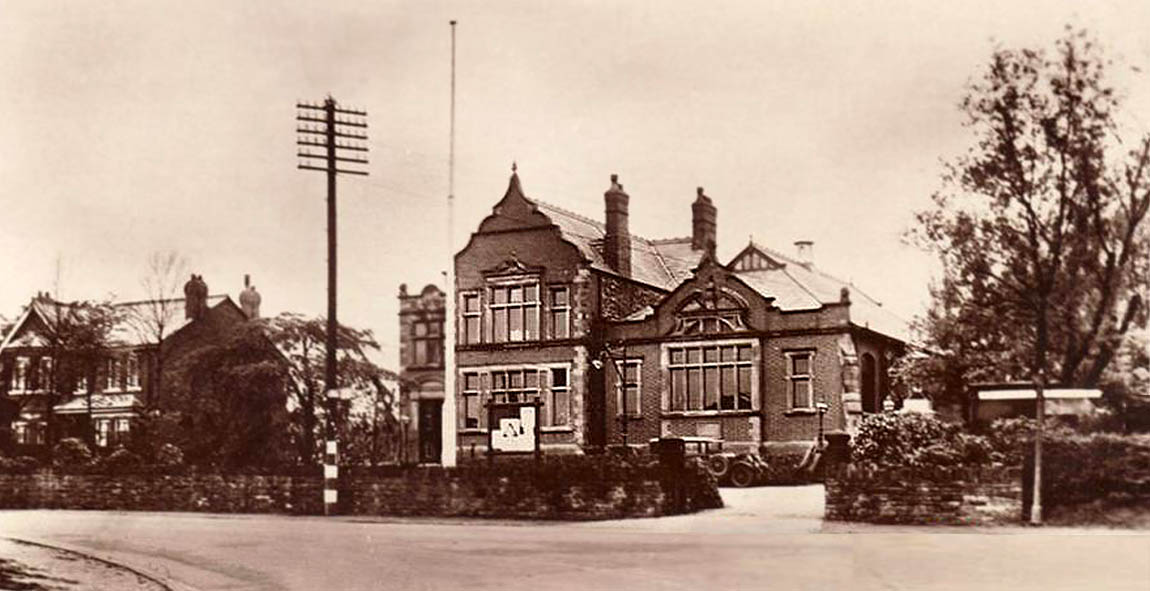 Rainford Village Hall (pictured above) was crowded on the evening of the 18th when the children of the Rainford CE School gave them their annual concert. The Ormskirk Advertiser wrote: "The audience assembled in anticipation of a delightful evening's entertainment and they were in no way disappointed, for there was not a dull minute in the whole programme. The first half consisted of miscellaneous items contributed by all departments of the school. The opening item was a ‘Welcome’ chorus, sung in a lively manner.
"Physical exercises by a group of twelve smart boys followed, and the girls of Standards 1 and 2 gave a charming song, ‘Twelve days of Christmas.’ ‘Dainty dancing maidens,’ a song and dance, was given gracefully by J. Hesketh, N. Valentine, P. Culshaw and S. Rigby, whilst the infants were coyly-sweet in ‘How would you like to be a baby girl’. The Rainford Junior Orchestra, conducted by J. Woodward, caused roars of laughter, their band consisting of mouth-organs, melodeons, and other ‘classical’ instruments."
For a week from the 22nd, what was billed as "Willy Pantzer and his company of eight acrobatic comedians, comprising four of the most wonderful midgets in the world", topped the bill at the Hippodrome theatre in Corporation Street in St Helens.
And finally, the Savoy in Bridge Street and the Oxford in Duke Street were owned by the same firm and sometimes they shared the same films. Recently they had shared Charlie Chaplin's picture 'Pay Day' and from the 22nd Chaplin's 'The Gold Rush' was shown at both houses for a week.
St Helens Reporter courtesy St Helens Archive Service at Eccleston Library
Next Week's stories will include the house-building difficulties in St Helens, the fighter with a wooden leg returns to court, the opening of the new St Helens power station and the Parr farmers who used sulphuric acid to treat their sore horse.
"To bob or not to bob" had once been the headline to a St Helens Reporter article on the controversial subject of bobbed hair that Lockhart's hairdressers of St Helens had written. And recently, bobbed hair had made the news after the suicide of a young woman from the Wigan district.
After returning home from a visit to the hairdresser's with her newly bobbed hair, she had been hoping for a favourable reaction from her family. But instead her horrified father – who had never struck his daughter before – slapped her face and the young woman ran off and some hours later killed herself.
In the Liverpool Evening Express on the 16th, a brief letter from someone living in St Helens showed some sympathy for the father and described how it was heart-breaking to see a daughter shorn of her lovely long locks. The individual also claimed that many girls chose bobbed hair because they couldn't be bothered to spend twenty minutes every evening brushing it.
On the 16th the annual meeting of the St Helens District Nursing Association was held at the Town Hall. It was revealed that during 1925 the nurses had paid 52,329 visits to 1,703 patients. The secretary of the Queen's Nursing Association had inspected the nurses and commented on the high standard of efficiency in their home in Dentons Green and the work that they undertook throughout the town.
Miss C. Van Crans, the superintendent of the home, was commended for providing excellent training for the nurses and for managing a large institution very economically. It was stated at the meeting that their new home would be completed later in 1926 and would provide more and better accommodation for the staff.
I recently commented how it was impossible to know how many former soldiers took their own lives as a consequence of their experiences in WW1. That was because ex-soldiers did not discuss their feelings and a connection with their past military service was rarely made at inquests. However, a link was made at William Jones' inquest, which was held on the 17th. But the connection with his war service was through having been poisoned by mustard gas and consequently William had developed a severe cough.
There was no reported mention at the inquest of what we would call PTSD, with the inference being that his cough alone had led to his suicide. William had lived in Vincent Street and had been a manager of a boot store in Bridge Street. Mrs Jones said she had heard her husband coughing violently in their bedroom and discovered him gurgling and unconscious.
William was found to be suffering from carbolic acid poisoning and an empty bottle was found under the grate. The police confirmed that Mr Jones' business affairs were all in order, although his shop trade was slack and the usual verdict of suicide while of unsound mind was returned.
It was stated that Sammon was a violent man who had sworn at Pilks' housing agent and had twice locked him inside the house and threatened to kill him. The agent called Anderson said the house was in a shocking condition and the wallpaper had been deliberately torn off. Sammon denied the allegations and said that Anderson "had his knife in him".
Judge Dowdall said it was difficult to know what to do with Sammon and his wife and children. He said he could not put them out into the streets and so he signed an order for possession of the house but suspended it for as long as Sammon "behaved himself" and paid off the arrears. That was a tactic that was often employed, giving the defendant / respondent an opportunity to mend their ways.
At the same hearing Judge Dowdall considered a claim for compensation as the result of a mining injury. Compensation for work-related accidents usually took the form of small, weekly payments that were somewhat less than the worker's usual wage. Injured workers only received compensation from their employer until they were able to return to their jobs. Then they were often given alternative employment at a reduced wage due to their impairments.
In the case of Peter Lomax of Heath Street in Thatto Heath, he had been injured in 1915 in Lea Green Colliery and had lost the sight of his right eye. Peter had returned to work but had now practically lost the sight in his left eye through disease that was unconnected with the accident and he was now practically blind. There were a surprising number of one-eyed men who were allowed to work underground in the St Helens' pits – but clearly a man that was virtually blind could not work at all.
And so Peter sought an award in the County Court for partial disablement and was awarded 5s 7½d a week. Just where the halfpenny came in, I can't say! I expect that if he had still been able to work he would have been receiving over £3 a week and so the award was far from generous.
"Physical exercises by a group of twelve smart boys followed, and the girls of Standards 1 and 2 gave a charming song, ‘Twelve days of Christmas.’ ‘Dainty dancing maidens,’ a song and dance, was given gracefully by J. Hesketh, N. Valentine, P. Culshaw and S. Rigby, whilst the infants were coyly-sweet in ‘How would you like to be a baby girl’. The Rainford Junior Orchestra, conducted by J. Woodward, caused roars of laughter, their band consisting of mouth-organs, melodeons, and other ‘classical’ instruments."
For a week from the 22nd, what was billed as "Willy Pantzer and his company of eight acrobatic comedians, comprising four of the most wonderful midgets in the world", topped the bill at the Hippodrome theatre in Corporation Street in St Helens.
And finally, the Savoy in Bridge Street and the Oxford in Duke Street were owned by the same firm and sometimes they shared the same films. Recently they had shared Charlie Chaplin's picture 'Pay Day' and from the 22nd Chaplin's 'The Gold Rush' was shown at both houses for a week.
St Helens Reporter courtesy St Helens Archive Service at Eccleston Library
Next Week's stories will include the house-building difficulties in St Helens, the fighter with a wooden leg returns to court, the opening of the new St Helens power station and the Parr farmers who used sulphuric acid to treat their sore horse.
This week's many stories include the blind colliery worker who sought compensation, the Gerards Bridge tenant who threatened to kill Pilks' housing agent, the father's shock at seeing bobbed hair, the Rainford School annual concert, the district nurses annual meeting and the Vincent Street ex-soldier who committed suicide after being gassed in the war.
"To bob or not to bob" had once been the headline to a St Helens Reporter article on the controversial subject of bobbed hair that Lockhart's hairdressers of St Helens had written.
And recently, bobbed hair had made the news after the suicide of a young woman from the Wigan district.
After returning home from a visit to the hairdresser's with her newly bobbed hair, she had been hoping for a favourable reaction from her family.
But instead her horrified father – who had never struck his daughter before – slapped her face and the young woman ran off and some hours later killed herself.
In the Liverpool Evening Express on the 16th, a brief letter from someone living in St Helens showed some sympathy for the father and described how it was heart-breaking to see a daughter shorn of her lovely long locks.
The individual also claimed that many girls chose bobbed hair because they couldn't be bothered to spend twenty minutes every evening brushing it.
On the 16th the annual meeting of the St Helens District Nursing Association was held at the Town Hall.
It was revealed that during 1925 the nurses had paid 52,329 visits to 1,703 patients.
The secretary of the Queen's Nursing Association had inspected the nurses and commented on the high standard of efficiency in their home in Dentons Green and the work that they undertook throughout the town.
Miss C. Van Crans, the superintendent of the home, was commended for providing excellent training for the nurses and for managing a large institution very economically.
It was stated at the meeting that their new home would be completed later in 1926 and would provide more and better accommodation for the staff.
I recently commented how it was impossible to know how many former soldiers took their own lives as a consequence of their experiences in WW1.
That was because ex-soldiers did not discuss their feelings and a connection with their past military service was rarely made at inquests.
However, a link was made at William Jones' inquest, which was held on the 17th.
But the connection with his war service was through having been poisoned by mustard gas and consequently William had developed a severe cough.
There was no reported mention at the inquest of what we would call PTSD, with the inference being that his cough alone had led to his suicide.
William had lived in Vincent Street and had been a manager of a boot store in Bridge Street.
Mrs Jones said she had heard her husband coughing violently in their bedroom and discovered him gurgling and unconscious.
William was found to be suffering from carbolic acid poisoning and an empty bottle was found under the grate.
The police confirmed that Mr Jones' business affairs were all in order, although his shop trade was slack and the usual verdict of suicide while of unsound mind was returned.
The housing crisis in St Helens was making the judge in the town's County Court (shown above) nervous of issuing eviction orders when children were involved.
In the court in East Street on the 17th, Pilkingtons claimed possession of a house that they owned in Stanley Street in Gerards Bridge.
Joseph Sammon was the glass firm's tenant but he was more than £4 in arrears with his rent.
It was stated that Sammon was a violent man who had sworn at Pilks' housing agent and had twice locked him inside the house and threatened to kill him.
The agent called Anderson said the house was in a shocking condition and the wallpaper had been deliberately torn off.
Sammon denied the allegations and said that Anderson "had his knife in him".
Judge Dowdall said it was difficult to know what to do with Sammon and his wife and children.
He said he could not put them out into the streets and so he signed an order for possession of the house but suspended it for as long as Sammon "behaved himself" and paid off the arrears.
That was a tactic that was often employed, giving the defendant / respondent an opportunity to mend their ways.
At the same hearing Judge Dowdall considered a claim for compensation as the result of a mining injury.
Compensation for work-related accidents usually took the form of small, weekly payments that were somewhat less than the worker's usual wage.
Injured workers only received compensation from their employer until they were able to return to their jobs.
Then they were often given alternative employment at a reduced wage due to their impairments.
In the case of Peter Lomax of Heath Street in Thatto Heath, he had been injured in 1915 in Lea Green Colliery and had lost the sight of his right eye.
Peter had returned to work but had now practically lost the sight in his left eye through disease that was unconnected with the accident and he was now practically blind.
There were a surprising number of one-eyed men who were allowed to work underground in the St Helens' pits – but clearly a man that was virtually blind could not work at all.
And so Peter sought an award in the County Court for partial disablement and was awarded 5s 7½d a week. Just where the halfpenny came in, I can't say!
I expect that if he had still been able to work he would have been receiving over £3 a week and so the award was far from generous.
Rainford Village Hall (pictured above) was crowded on the evening of the 18th when the children of the Rainford CE School gave them their annual concert. The Ormskirk Advertiser wrote:
"The audience assembled in anticipation of a delightful evening's entertainment and they were in no way disappointed, for there was not a dull minute in the whole programme.
"The first half consisted of miscellaneous items contributed by all departments of the school. The opening item was a ‘Welcome’ chorus, sung in a lively manner.
"Physical exercises by a group of twelve smart boys followed, and the girls of Standards 1 and 2 gave a charming song, ‘Twelve days of Christmas.’
"‘Dainty dancing maidens,’ a song and dance, was given gracefully by J. Hesketh, N. Valentine, P. Culshaw and S. Rigby, whilst the infants were coyly-sweet in ‘How would you like to be a baby girl’.
"The Rainford Junior Orchestra, conducted by J. Woodward, caused roars of laughter, their band consisting of mouth-organs, melodeons, and other ‘classical’ instruments."
For a week from the 22nd, what was billed as "Willy Pantzer and his company of eight acrobatic comedians, comprising four of the most wonderful midgets in the world", topped the bill at the Hippodrome theatre in Corporation Street in St Helens.
And finally, the Savoy in Bridge Street and the Oxford in Duke Street were owned by the same firm and sometimes they shared the same films.
Recently they had shared Charlie Chaplin's picture 'Pay Day' and from the 22nd Chaplin's 'The Gold Rush' was shown at both houses for a week.
St Helens Reporter courtesy St Helens Archive Service at Eccleston Library
Next Week's stories will include the house-building difficulties in St Helens, the fighter with a wooden leg returns to court, the opening of the new St Helens power station and the Parr farmers who used sulphuric acid to treat their sore horse.
"To bob or not to bob" had once been the headline to a St Helens Reporter article on the controversial subject of bobbed hair that Lockhart's hairdressers of St Helens had written.
And recently, bobbed hair had made the news after the suicide of a young woman from the Wigan district.
After returning home from a visit to the hairdresser's with her newly bobbed hair, she had been hoping for a favourable reaction from her family.
But instead her horrified father – who had never struck his daughter before – slapped her face and the young woman ran off and some hours later killed herself.
In the Liverpool Evening Express on the 16th, a brief letter from someone living in St Helens showed some sympathy for the father and described how it was heart-breaking to see a daughter shorn of her lovely long locks.
The individual also claimed that many girls chose bobbed hair because they couldn't be bothered to spend twenty minutes every evening brushing it.
On the 16th the annual meeting of the St Helens District Nursing Association was held at the Town Hall.
It was revealed that during 1925 the nurses had paid 52,329 visits to 1,703 patients.
The secretary of the Queen's Nursing Association had inspected the nurses and commented on the high standard of efficiency in their home in Dentons Green and the work that they undertook throughout the town.
Miss C. Van Crans, the superintendent of the home, was commended for providing excellent training for the nurses and for managing a large institution very economically.
It was stated at the meeting that their new home would be completed later in 1926 and would provide more and better accommodation for the staff.
I recently commented how it was impossible to know how many former soldiers took their own lives as a consequence of their experiences in WW1.
That was because ex-soldiers did not discuss their feelings and a connection with their past military service was rarely made at inquests.
However, a link was made at William Jones' inquest, which was held on the 17th.
But the connection with his war service was through having been poisoned by mustard gas and consequently William had developed a severe cough.
There was no reported mention at the inquest of what we would call PTSD, with the inference being that his cough alone had led to his suicide.
William had lived in Vincent Street and had been a manager of a boot store in Bridge Street.
Mrs Jones said she had heard her husband coughing violently in their bedroom and discovered him gurgling and unconscious.
William was found to be suffering from carbolic acid poisoning and an empty bottle was found under the grate.
The police confirmed that Mr Jones' business affairs were all in order, although his shop trade was slack and the usual verdict of suicide while of unsound mind was returned.
In the court in East Street on the 17th, Pilkingtons claimed possession of a house that they owned in Stanley Street in Gerards Bridge.
Joseph Sammon was the glass firm's tenant but he was more than £4 in arrears with his rent.
It was stated that Sammon was a violent man who had sworn at Pilks' housing agent and had twice locked him inside the house and threatened to kill him.
The agent called Anderson said the house was in a shocking condition and the wallpaper had been deliberately torn off.
Sammon denied the allegations and said that Anderson "had his knife in him".
Judge Dowdall said it was difficult to know what to do with Sammon and his wife and children.
He said he could not put them out into the streets and so he signed an order for possession of the house but suspended it for as long as Sammon "behaved himself" and paid off the arrears.
That was a tactic that was often employed, giving the defendant / respondent an opportunity to mend their ways.
At the same hearing Judge Dowdall considered a claim for compensation as the result of a mining injury.
Compensation for work-related accidents usually took the form of small, weekly payments that were somewhat less than the worker's usual wage.
Injured workers only received compensation from their employer until they were able to return to their jobs.
Then they were often given alternative employment at a reduced wage due to their impairments.
In the case of Peter Lomax of Heath Street in Thatto Heath, he had been injured in 1915 in Lea Green Colliery and had lost the sight of his right eye.
Peter had returned to work but had now practically lost the sight in his left eye through disease that was unconnected with the accident and he was now practically blind.
There were a surprising number of one-eyed men who were allowed to work underground in the St Helens' pits – but clearly a man that was virtually blind could not work at all.
And so Peter sought an award in the County Court for partial disablement and was awarded 5s 7½d a week. Just where the halfpenny came in, I can't say!
I expect that if he had still been able to work he would have been receiving over £3 a week and so the award was far from generous.
"The audience assembled in anticipation of a delightful evening's entertainment and they were in no way disappointed, for there was not a dull minute in the whole programme.
"The first half consisted of miscellaneous items contributed by all departments of the school. The opening item was a ‘Welcome’ chorus, sung in a lively manner.
"Physical exercises by a group of twelve smart boys followed, and the girls of Standards 1 and 2 gave a charming song, ‘Twelve days of Christmas.’
"‘Dainty dancing maidens,’ a song and dance, was given gracefully by J. Hesketh, N. Valentine, P. Culshaw and S. Rigby, whilst the infants were coyly-sweet in ‘How would you like to be a baby girl’.
"The Rainford Junior Orchestra, conducted by J. Woodward, caused roars of laughter, their band consisting of mouth-organs, melodeons, and other ‘classical’ instruments."
For a week from the 22nd, what was billed as "Willy Pantzer and his company of eight acrobatic comedians, comprising four of the most wonderful midgets in the world", topped the bill at the Hippodrome theatre in Corporation Street in St Helens.
And finally, the Savoy in Bridge Street and the Oxford in Duke Street were owned by the same firm and sometimes they shared the same films.
Recently they had shared Charlie Chaplin's picture 'Pay Day' and from the 22nd Chaplin's 'The Gold Rush' was shown at both houses for a week.
St Helens Reporter courtesy St Helens Archive Service at Eccleston Library
Next Week's stories will include the house-building difficulties in St Helens, the fighter with a wooden leg returns to court, the opening of the new St Helens power station and the Parr farmers who used sulphuric acid to treat their sore horse.